One song, two mastering engineers: a guest appearance on Thom Wettstein's show

Thom Wettstein invited me to his new format: two mastering engineers, an unreleased song, no competition. We tackled the same electronic track and openly discussed our individual approaches to mixing – highlighting all the audible differences.

Many who recorded their song with us masteringPeople ask me how mastering is actually done "correctly." The honest answer: There isn't one right way. That's exactly what Thom and I wanted to show. He works in Switzerland, I work in our recording studio in Wuerzburg And our approaches couldn't start more differently. In the end, however, we arrive at very similar priorities. In this post, I'll take you behind the scenes – from the initial listening impressions and our tools to the part that went wrong during the recording.

Content

What happens when two mastering engineers listen to the same song?

Thom Wettstein and I discussed the same unreleased electronic track, without competition and without a winner. Thom deconstructs the sound using his prism method, while I always start in the bass range. Two approaches that both work – and ultimately lead to very similar priorities: tightness over frequencies, and a more targeted approach rather than too much.

How the mastering conversation came about

Thom is a mastering engineer and runs a YouTube channel where he showcases his work. His idea was simple: Two engineers independently listen to the same song and explain how they would approach it. No A/B comparison of the finished masters, no "who does it better." Double the expertise instead of a single recipe.

Dennis contributed the song; he's our Recording studio in Berlin Leading the setlist: “Eternity” by D3X & Dean Robert, an electronic track that hadn't been released yet at that point. Dennis explicitly gave us the go-ahead for it. It's ideal for this kind of format – none of us knew the mix beforehand, and there was no finished master to guide us.

Even on the first listen, we disagreed on a few points. I was bothered by the vocals in the intro, which I found too loud, as well as the lack of macrodynamics and a bass note around 150 to 160 Hz. Thom, on the other hand, heard too much energy in the high frequencies – and vocals that sounded a bit nasal to him. Same song, two very different initial issues.
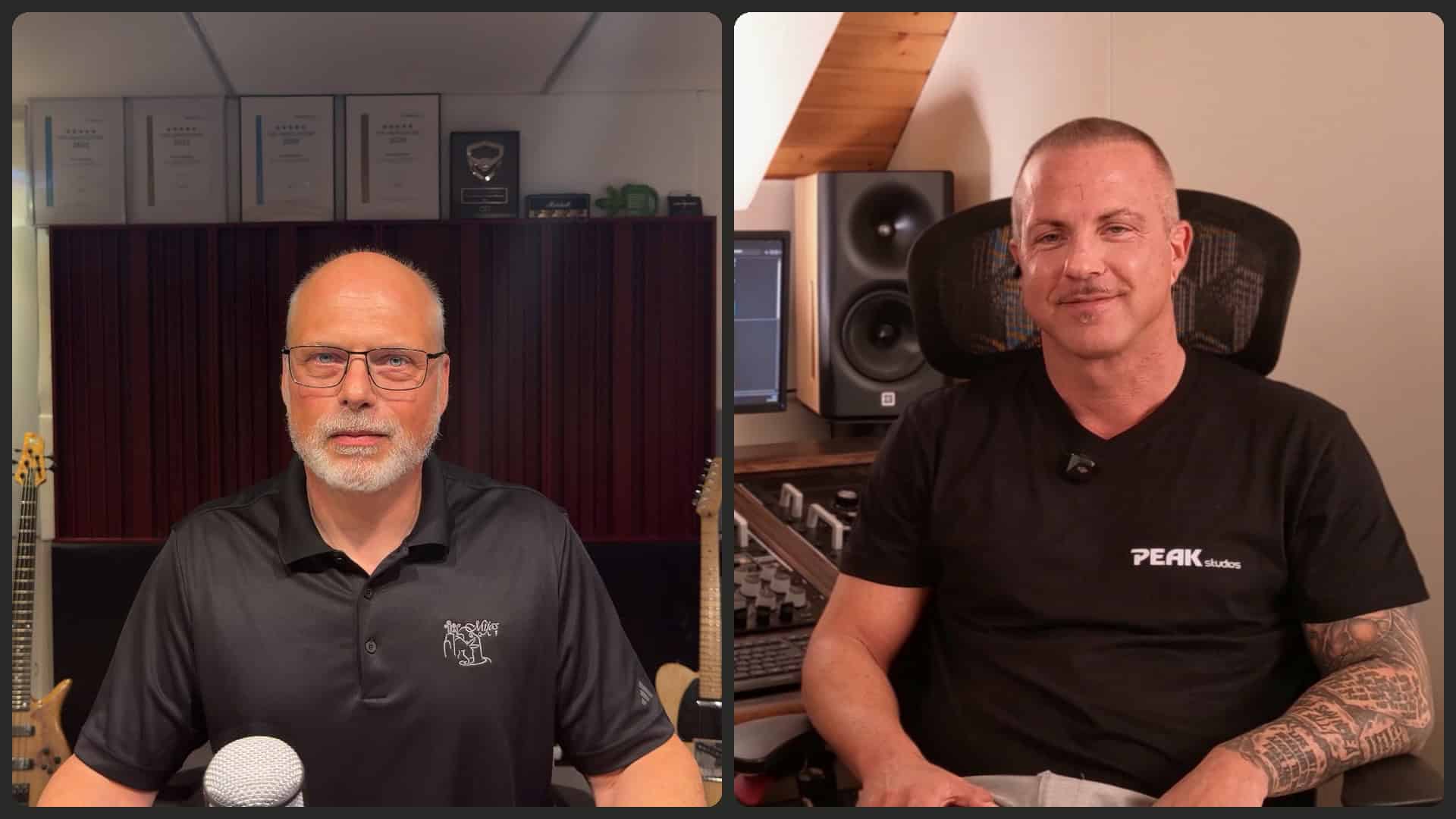
Two mastering engineers in split screen: Thom Wettstein in Switzerland and Chris Jones in Würzburg
Thom Wettstein (left) and Chris Jones talking about the same song
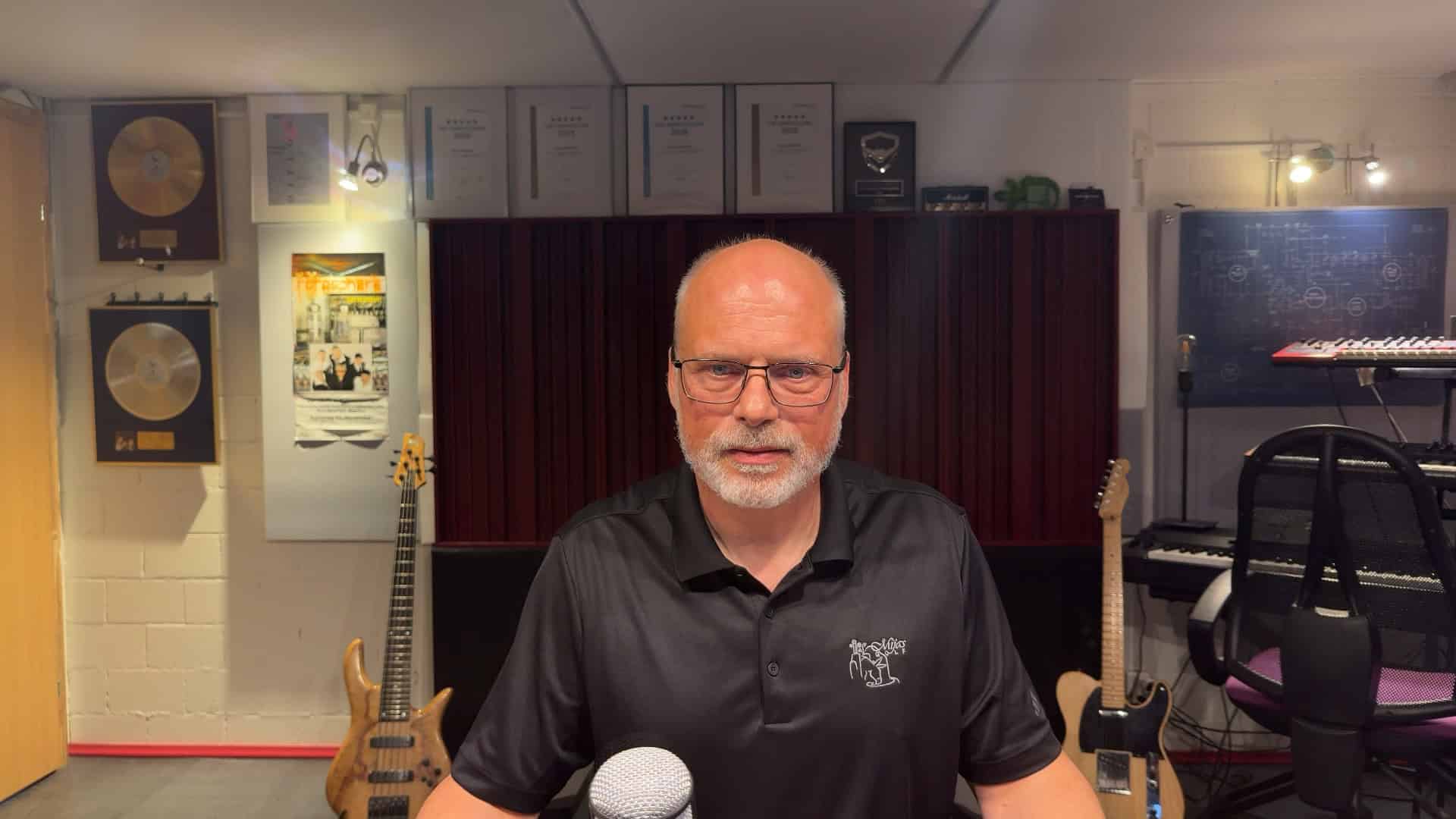
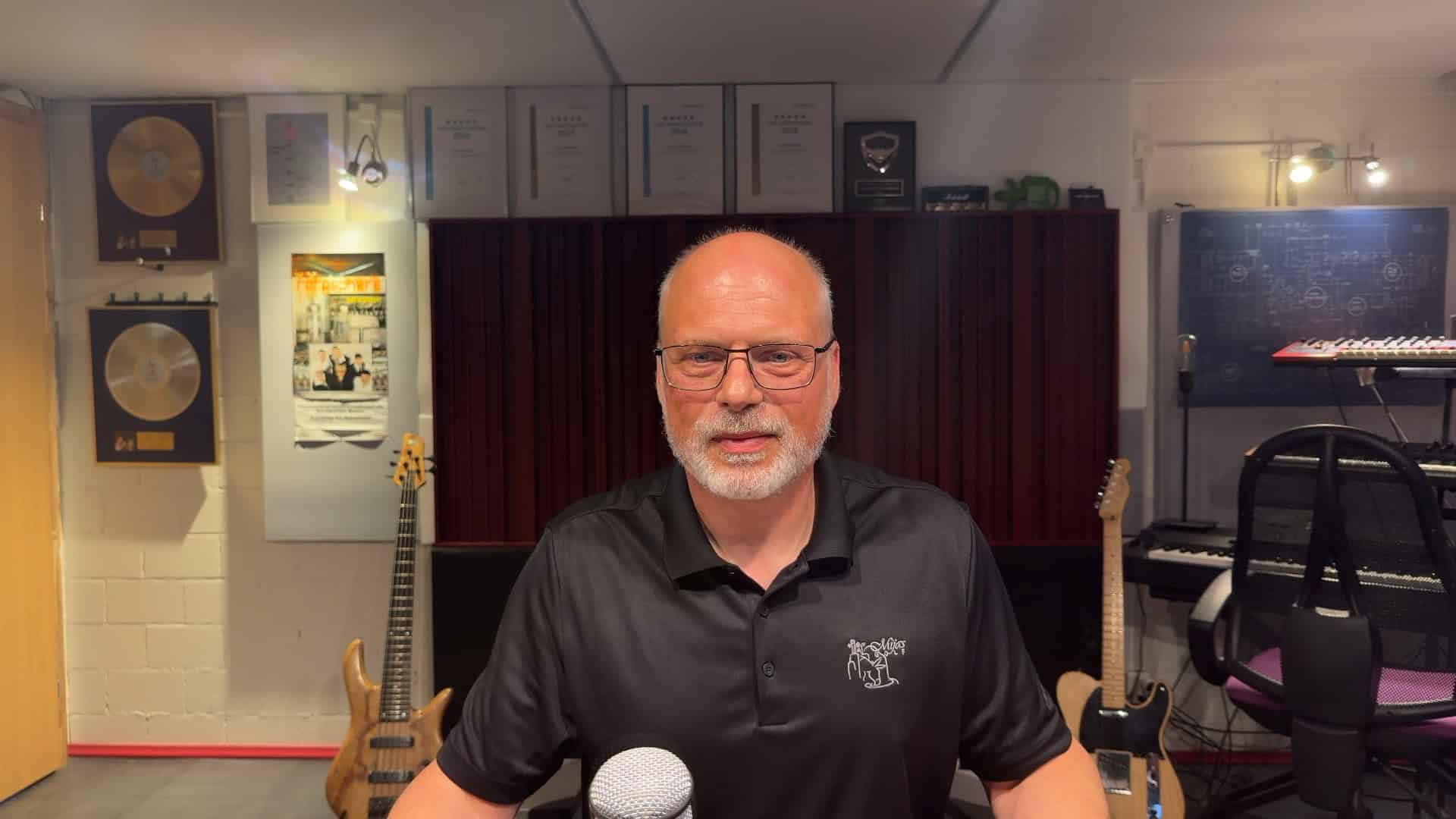
Mastering engineer Thom Wettstein in front of gold awards and guitars in his studio
Thom Wettstein in his studio
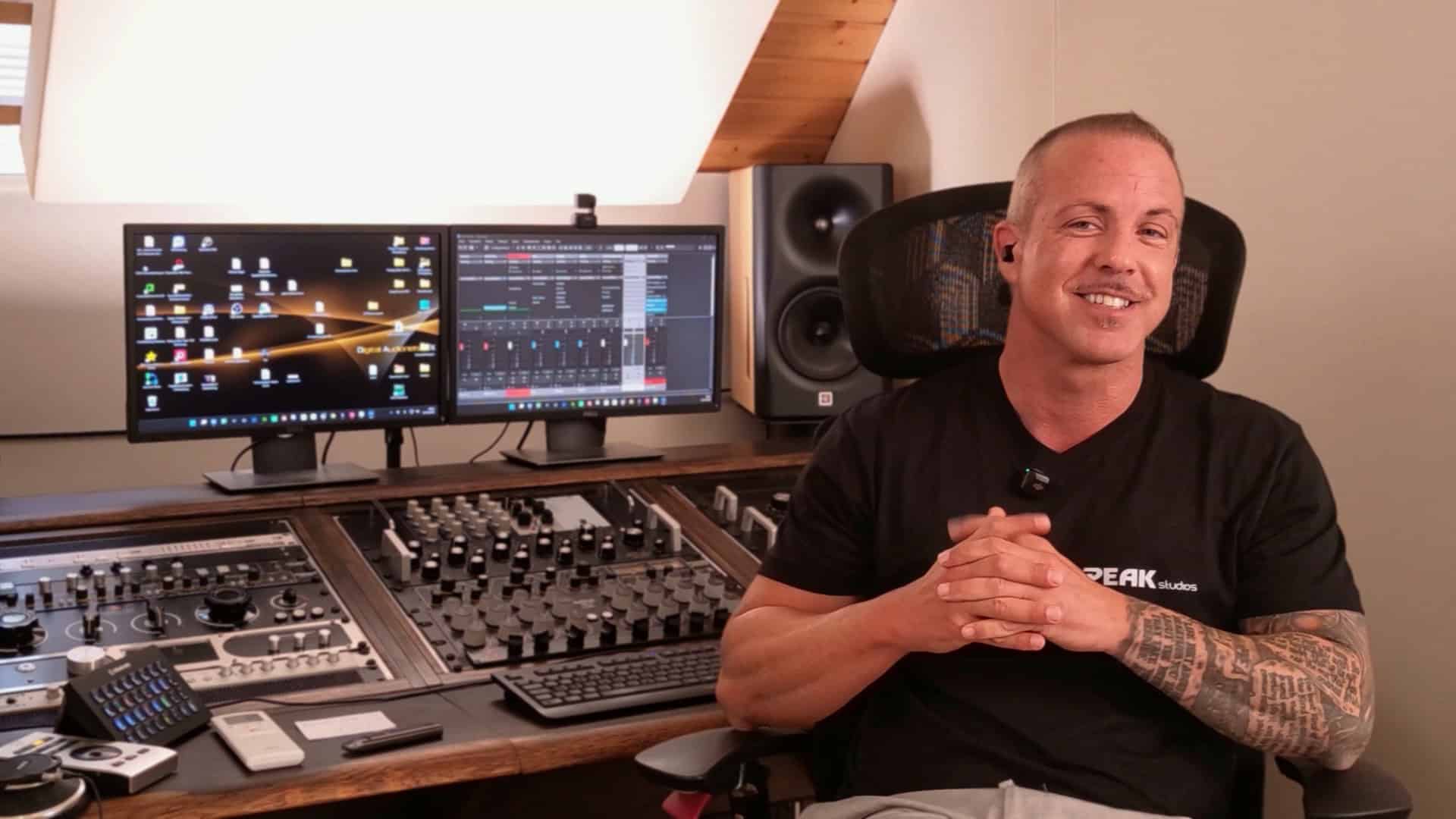
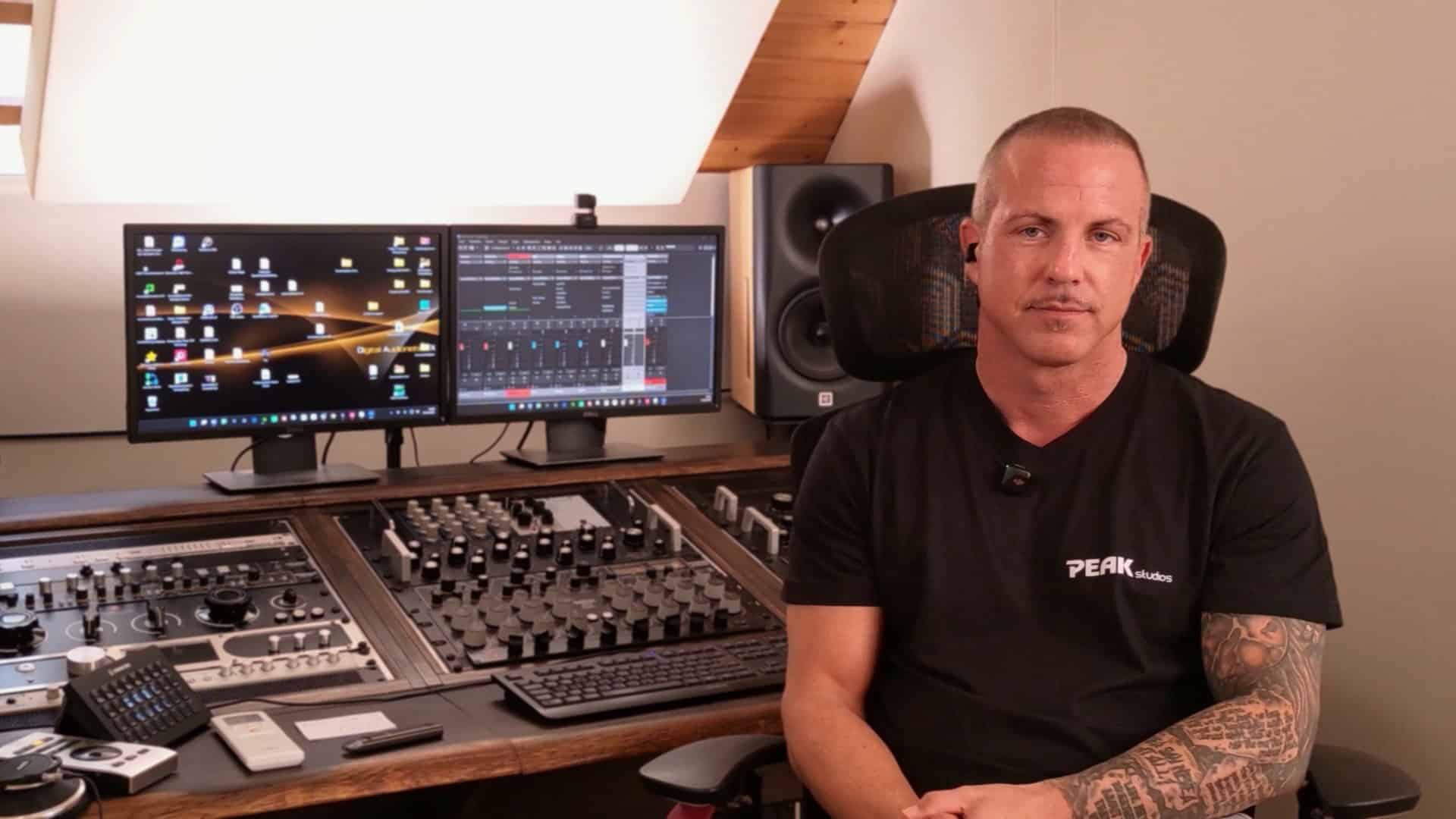
Chris Jones from Peak-Studios laughs, studio monitors and mixing console in the background.
Chris Jones in the studio in Würzburg

Prism or bass first: two paths through the same mix

Thom describes his working method with an image that I really like. He guides the sound like a beam of light through a prism. The white light fans out, and then he sees exactly which color is too strong—too much yellow, too much green. What instrument is behind it is irrelevant at that moment. He reduces what's excessive, and often other problems resolve themselves as a result.

My approach starts elsewhere – and that's precisely how you can tell that two mastering engineers can interpret the same mix completely differently. I always listen to the bass range first and ask myself two questions: Is the low end coherent? And does it balance with the rest of the mix? If the bass is solid, many issues higher up become self-explanatory.

Why loud signals hide details

This is where our work intersects. The ear works in such a way that loud elements are masked by quiet ones – psychoacoustics, plain and simple. By removing energy from the mix, you bring back details that were already there but weren't coming through. However, there's an exception in the bass range: you shouldn't cut so much that the tightness is lost. A bass that resonates makes the whole track sound soft.

Do you want to know where your mix stands before mastering?

Treble, limiter, and the mastering chain

A large part of the conversation revolved around the high frequencies. Thom made a point that many underestimate: Hi-hats consist of a transient and a decay, and the sibilant high frequencies are primarily located in the transient. transients Our glossary explains exactly what they are. Anyone who simply wants to start with a Equalizer Driving in with a wide bandwidth removes the heights everywhere and makes the track dull.

The De-Esser Trick

A De-Esser I like to run it in parallel. That means I let him intervene quite a bit and then just mix in the result. This keeps the vocals clear without them starting to lisp. Incidentally, this trick works not only for vocals, but also for hi-hats and generally for overly sharp high frequencies.

When the limiter sucks away the voice

This song lacked macrodynamics, meaning the difference in volume between the quieter parts and the chorus. If you push a mix like that into the LimiterThe vocals get sucked in – like by a vacuum cleaner. The impact between the part and the chorus is then lost. My solution was surprisingly unspectacular: a 1.5 dB cut. Often that's all it takes, and the chorus gets its punch back.

Clippers, glue, and a pair of pants that are too big.

I openly showed my chain for electronic music: Ozone, preceded by a Clipper and FabFilter. I place the Clipper before the limiter because it generates harmonics – this makes the kick drum sound more refined and cut through the mix better. Regarding the glue compression, i.e., a CompressorTo create a unified mix, I work with a long attack and medium release.

We had two images to illustrate what Glue does. Mine: The mix is ​​wearing pants that are too big, and the compression pulls the belt a notch tighter. I almost liked Thom's image even better – in his, all the strings of a guitar vibrate together afterwards.

The question of how much input one can have from the producer was also interesting. Thom greatly respects artistic freedom and doesn't want to come across as a know-it-all. He says: "The mix is ​​the cooking; the mastering just plates it up nicely." I agree with him on that—although I'd rather ask too many questions than too few.

The entire mastering conversation as a video

The entire conversation lasts approximately 46 minutes and will be available on October 23, 2026. Thom's YouTube channel Published: “What a mastering engineer hears first and you miss.” Peak-Studios is listed there as a collaboration partner, so the video also appears here.

If you only want to see specific topics: The video contains chapters, including on the prism method, bass response, treble and de-essers, macrodynamics and limiters, the mastering chain, and our tips at the end. In addition, there are 14 short clips that will be released gradually on TikTok, Instagram, and YouTube Shorts.

HOW DOES YOUR SONG SOUND IN THE MASTERING?

Write to me – about this episode, your mix, or your next release. We usually get back to you within 3 hours (on weekdays).

You can reach us by phone from Monday to Friday from 9 a.m. to 8 p.m.

Behind the scenes: a mastering podcast from two countries

We recorded remotely. Thom was in his studio in Switzerland, and I was in Würzburg. Everyone recorded with their own microphone and camera; the video conference only served as a shared timeline. In the editing process, I then combined both cameras and both microphones – so precisely that the lips and sound were perfectly synchronized.

And then came the point where something went wrong. Thom heard me through his speakers, not headphones. As a result, my voice was quiet and slightly delayed in his microphone. In the final mix, it sounded like room reverb. I only noticed it when listening to the clips, and it was more difficult to fix than I would have liked: Thom's microphone is now only active when he's speaking.

The lesson is simple and costs nothing: When recording remotely, both of us listen through headphones or in-ear monitors. Thom and I have already agreed to do this for the next episode. I'm mentioning this deliberately because even when two mastering engineers are talking, these kinds of little things happen in every project – in a podcast just as much as in a live recording. Recording in the studio.
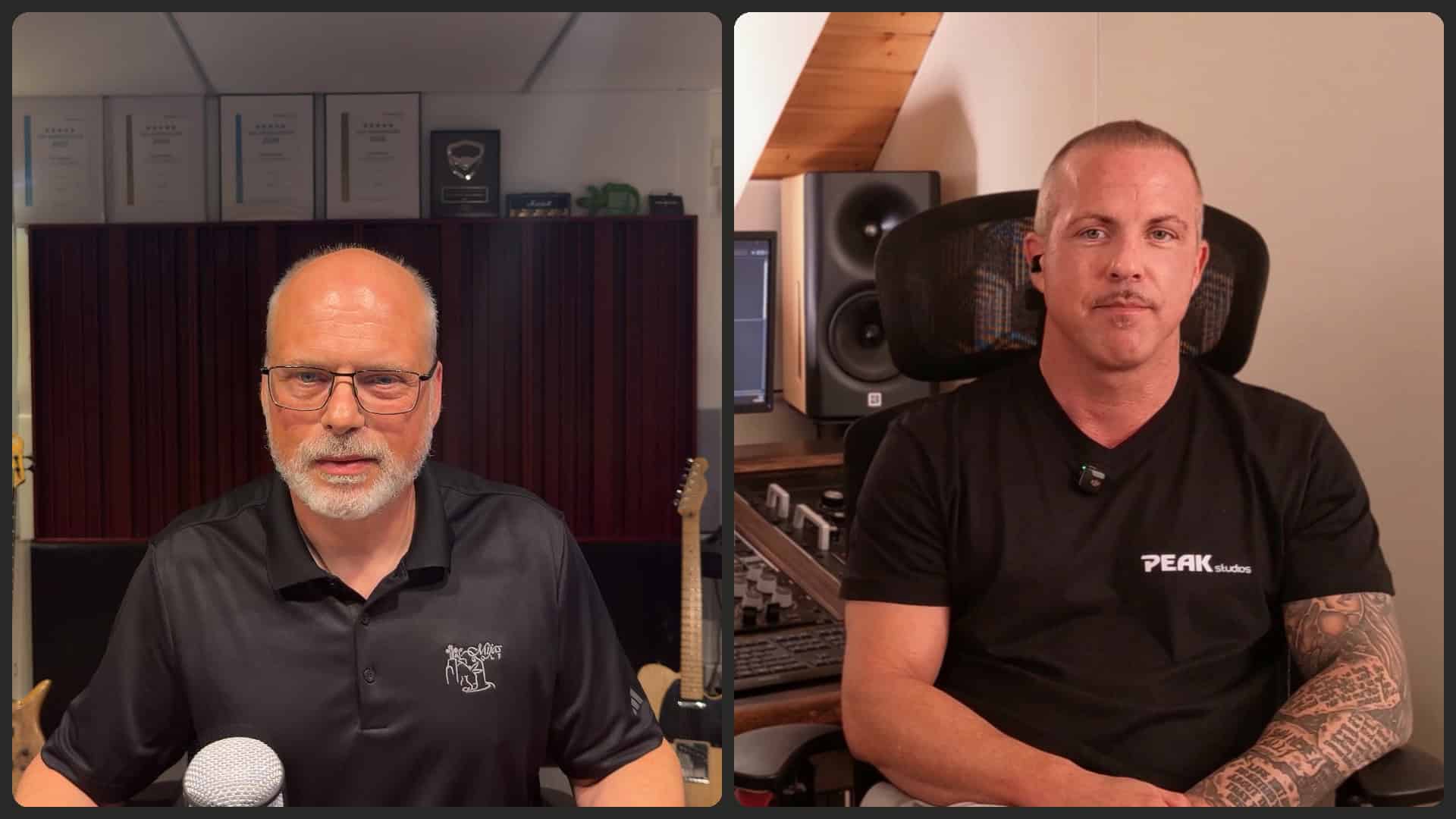
Thom Wettstein explains his approach in the mastering podcast, Chris Jones listens.
Thom explains, Chris listens
Chris Jones from Peak-Studios explains his approach to mastering in an interview.
Chris Jones explains his approach
Thom Wettstein in front of red diffusers and framed awards
Thom Wettstein in conversation

Continue learning for free – and my conclusion

Finally, we both shared a tip. Thom's most important point: tightness trumps frequency. Does the snare still crackle? Then it's better to leave a few rough edges in the sound than to smooth everything out. Mine comes directly from the Teaching and coaching and from our 1:1 Mixing MasterclassesMany people overdo it. Every unnecessary intervention wastes frequencies and time – and ultimately the character of the song. And we agree that you should trust your ears more than the curves on the screen.

If you want to delve deeper, there are two free offers:

My conclusion: I really enjoyed this format, especially because Thom and I started out so differently. Two mastering engineers, two methods – and yet the same belief that the song is paramount, not the tool. If you liked the episode, please let me know in the comments below the video. The idea is to continue the format, ideally with mixes from the community.

Frequently asked questions about the mastering interview with Thom Wettstein

Thom Wettstein is a mastering engineer with his own studio in Switzerland. On his YouTube channel, he demonstrates his work process and offers a free mini-masterclass. In his new format, he invites other engineers to discuss the same song together.

No, and that was intentional. Only the original mix is ​​played during the discussion. It's about the approach, about what each of us hears and where we would start – not about a competition between two finished masters.

"Eternity" by D3X & Dean Robert, an electronic track that was unreleased at the time of recording. Dennis, who manages our studio in Berlin, gave it the go-ahead for the episode.

The video “What a mastering engineer hears first and you miss” is playing on Thom's YouTube channelPeak-Studios is listed as a collaboration partner. It's embedded at the top of this post. Short excerpts will also gradually appear on our social media channels.

The idea is to continue the format, ideally with mixes from the community. How things proceed depends on how the first episode is received. Feedback under the video is very helpful.

Image by Chris Jones

Chris Jones

CEO – Mixing and Mastering Engineer. Founder of Peak-Studios (2006) and one of the first online service providers for professional audio mixing and mastering in Germany.