Artificial intelligence vs. humans: who is better at mixing and mastering?

Music production has changed dramatically over the decades. From the analogue era of cutting and splicing tapes to the digital revolution that offers us countless possibilities. But despite all the technological advances, two elements remain constantly important: mixing and mastering music. These processes give the music the final touch and are crucial to sound quality. In this article, we examine whether traditional mixing and mastering engineers are still necessary or whether artificial intelligence (AI) can take over these tasks.

Traditional role of mixing and mastering engineers

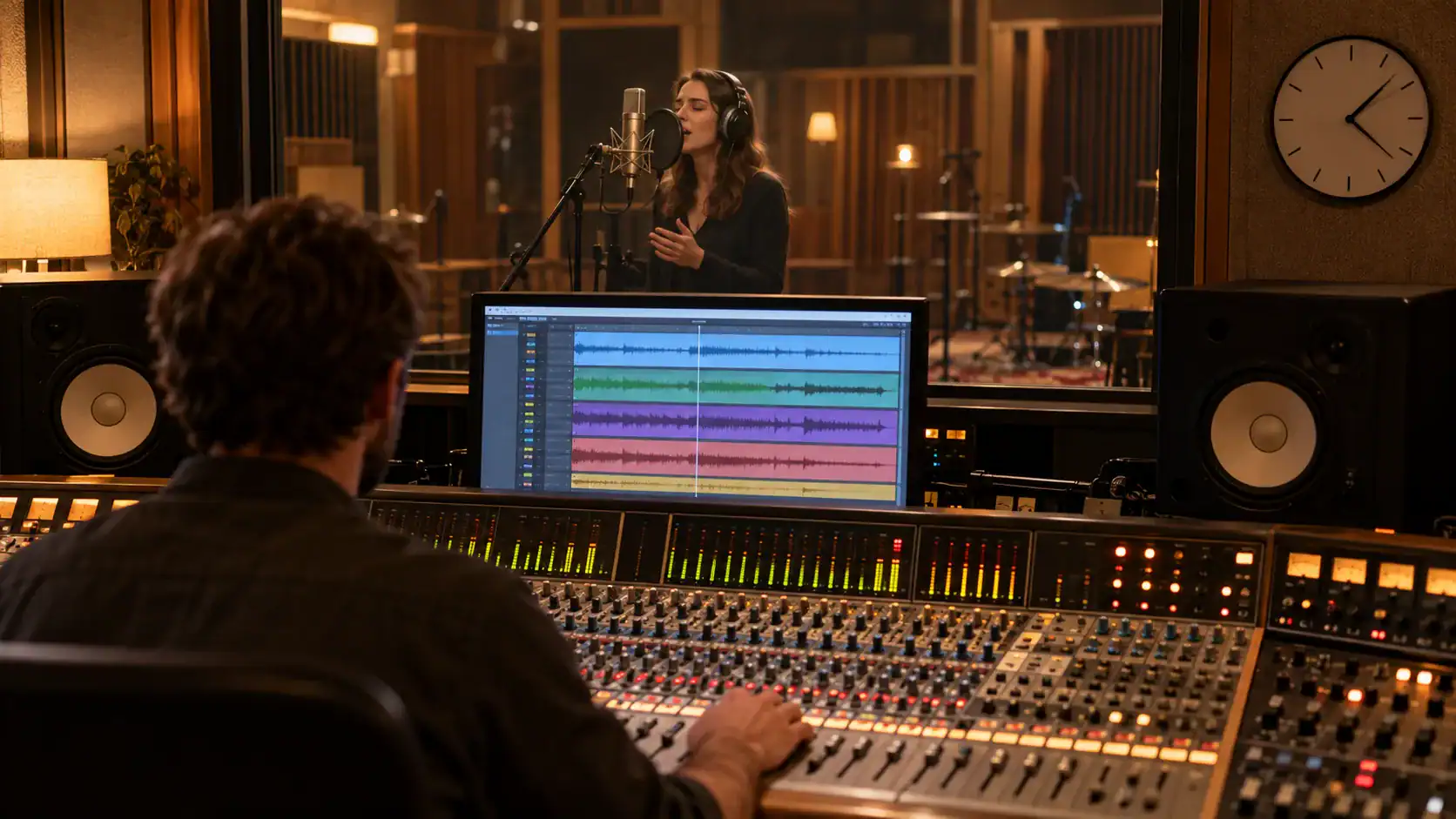
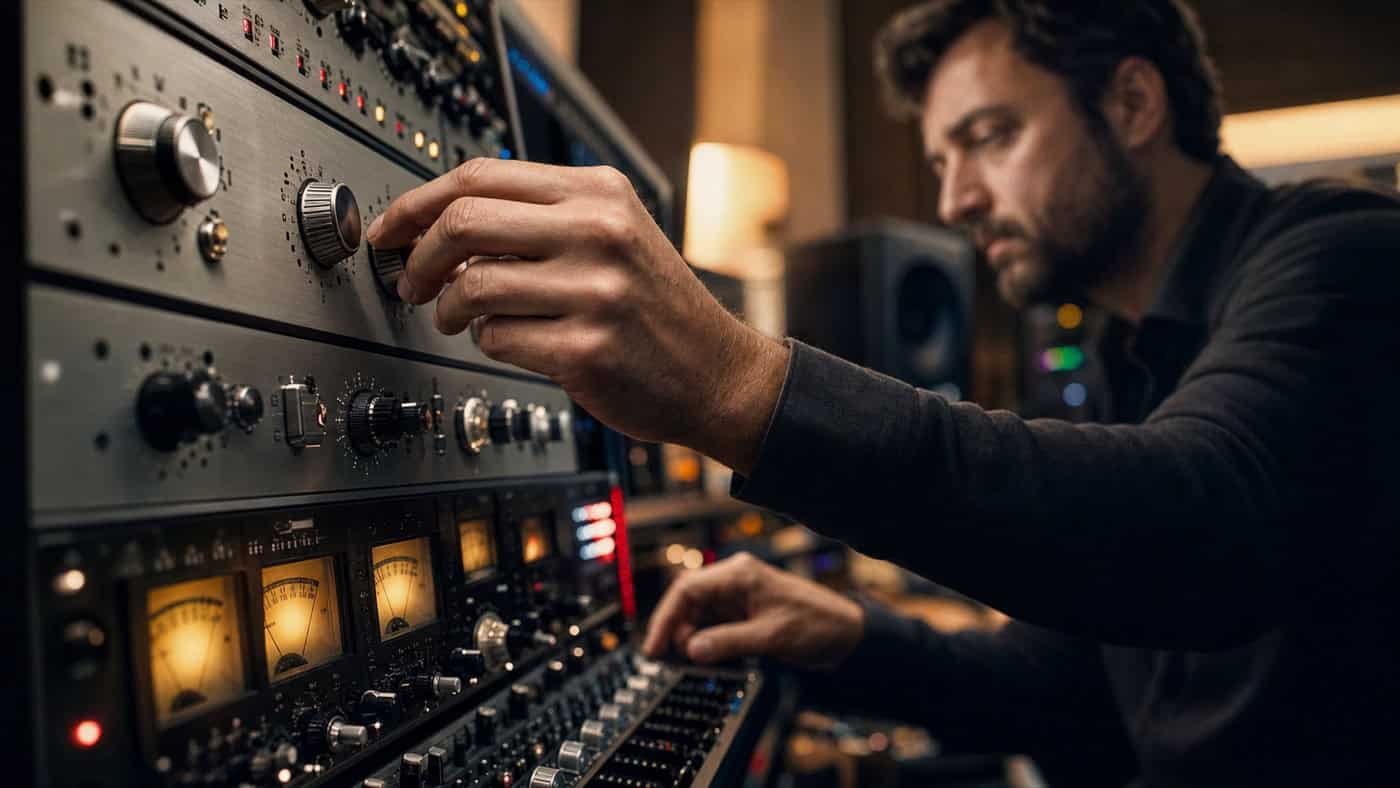
Mixing and mastering engineers play a central role in the Music production. Their hearing and experience are irreplaceable when it comes to achieving the optimal sound. A mixing engineer takes care of the Mixing the individual audio tracks, adjusts volume levels, adds effects and ensures that all elements work together harmoniously. The mastering engineer, on the other hand, puts the finishing touches on the finished mix, ensuring consistency and volume adjustment across all tracks on an album.

Famous engineers like Bob Ludwig and Chris Lord-Alge have left their mark on countless hits and shown how important human skill and creativity are. Their work is characterized by a deep understanding of music and an unparalleled ear for detail.

Rise of Artificial Intelligence in Music

With the advance of digitalization, artificial intelligence has also found its way into music production. Modern AI tools such as iZotope's Ozone and LANDR promise to automate the mixing and mastering process. These tools use algorithms and machine learning to take over the tasks that were traditionally done by human engineers.

The advantages are obvious: AI tools can save time and money because they are available 24/7 and do not require human resources. They also offer a certain level of consistency and can continuously improve their capabilities through constant updates and developments.

Comparison: Man vs. Machine

The capabilities of human engineers and AI tools differ in many ways. While AI tools can work quickly and efficiently, they often lack the creative sensitivity that only an experienced engineer can provide. Humans can detect and interpret emotional nuances, which can be crucial to the artistic integrity of a piece of music.

Advantages of human engineers:

  • Creativity and artistic sensitivity
  • Individual adjustments and personal advice
  • Experience and a deep understanding of music

Benefits of AI tools:

  • Cost and time savings
  • Consistency and precision
  • 24/7 availability

A direct comparison shows that both approaches have their advantages and disadvantages. While AI tools are particularly useful for less complex tasks and quick projects, human engineers offer a Added value through their creative and individual approach.

Practical examples: AI tools in action

Many musicians and producers have already gained experience with AI tools. Producer John Smith, for example, reports that he uses iZotope's Ozone to quickly create a first mix. "It saves me a lot of time, but I still rely on my engineer for the final touches," says Smith.

Another example is the band Electro Waves, who mastered their last two albums with LANDR. They were surprised by the quality and speed with which the tool works. However, they note that they still rely on a human engineer for special projects.

The limits of artificial intelligence

Despite all the progress, AI is reaching its limits in the field of mixing and mastering. creative and emotional decisionsthat a human engineer makes are difficult for a machine to imitate. Music is more than just a sequence of tones - it is art that conveys feelings and moods. An AI often cannot fully grasp these subtle nuances.

In addition, AI cannot replace the individual advice and customization that a human engineer offers. Every artist and every project is unique, and this uniqueness often requires a tailored approach.

Future outlook: Where are we headed?

Technology is constantly evolving, and it is foreseeable that AI tools will become even more powerful in the future. They could potentially make more creative decisions and adapt better to individual needs. However, there will always be a place for human engineers to make a difference with their creative and artistic input.

The future could lie in harmonious cooperation between humans and machines, in which the strengths of both sides are optimally utilized. AI can take over routine tasks, giving human engineers more time for creative decisions.

Conclusion: A harmonious interaction between man and machine

In summary, both human engineers and AI tools have their place in music production. While AI tools save time and Cost saving and are very effective for certain tasks, the creative and artistic expertise of a human engineer is irreplaceableThe best solution is often to combine both approaches to achieve the optimal result.

By integrating AI, human engineers can focus on the creative aspects while the machine takes care of the technical tasks. This interaction makes it possible to take advantage of the benefits of both worlds and thus achieve the best possible music production.

Image by Chris Jones

Chris Jones

CEO – Mixing and Mastering Engineer. Founder of Peak-Studios (2006) and one of the first online service providers for professional audio mixing and mastering in Germany.