What is oversampling?
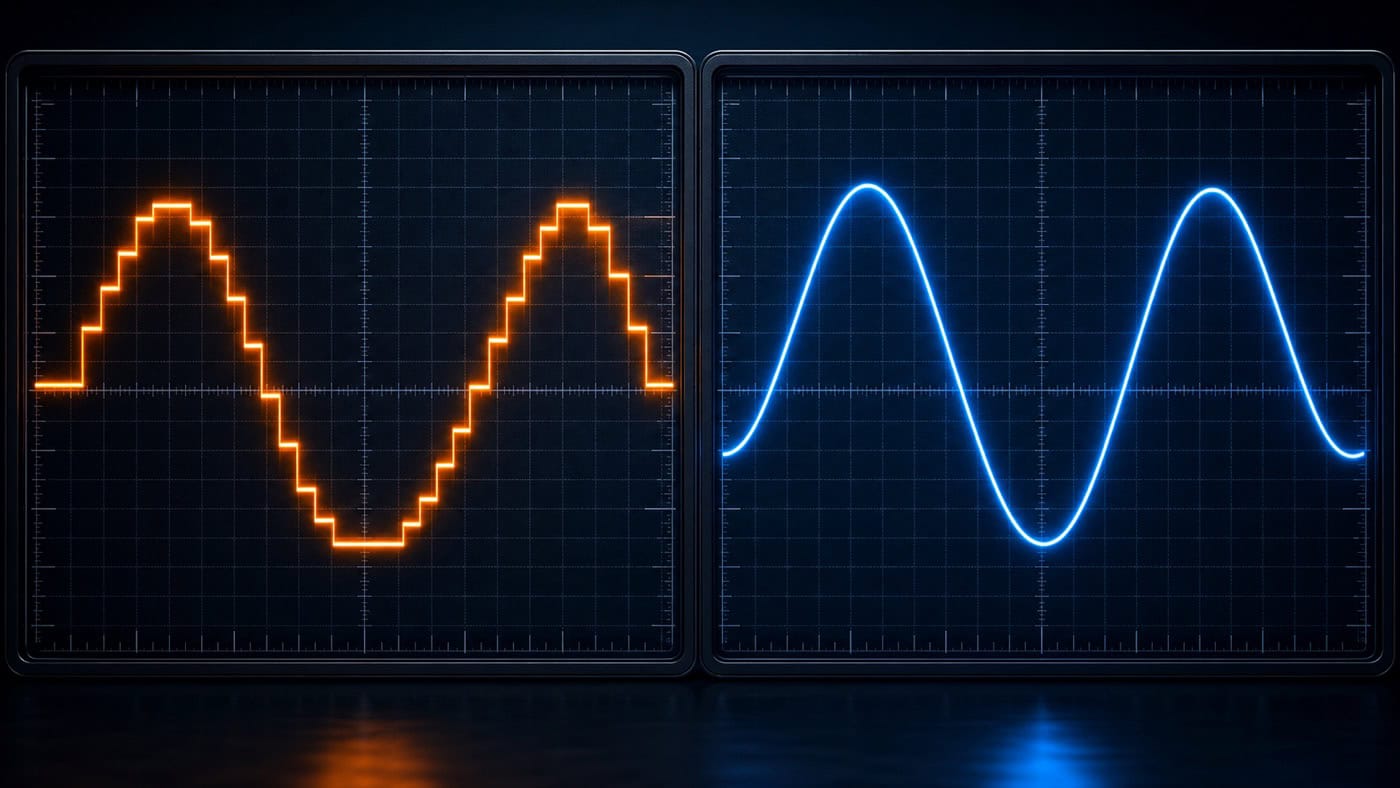
In music production, oversampling refers to a technique where a plugin internally processes the audio signal at a higher sample rate than required by the output format. A downsampling filter then reduces the signal back to the original project rate.
Oversampling is often used in digital audio processors such as equalizersOversampling is used in compressors, saturators, and other nonlinear effects. The higher internal sampling rate enables more precise calculations, reduces aliasing artifacts, and significantly degrades intermodulation behavior during nonlinear processes (clipping, saturation). Oversampling in mastering plugins—how to use it consciously—is shown in the... Mastering Guide in the context of the signal chain.
Overview of oversampling factors
| factor | Internal rate at 44,1 kHz | Internal rate at 48 kHz | Typical benefits |
|---|---|---|---|
| 2 × | 88,2kHz | 96kHz | Good entry point, low CPU overhead, less aliasing with EQ and compression |
| 4 × | 176,4kHz | 192kHz | Recommended for saturators and waveshapers, significantly reduced intermodulation. |
| 8 × | 352,8kHz | 384kHz | Highest quality in nonlinear processes (tape machine emulations, soft clipping); high CPU requirements |