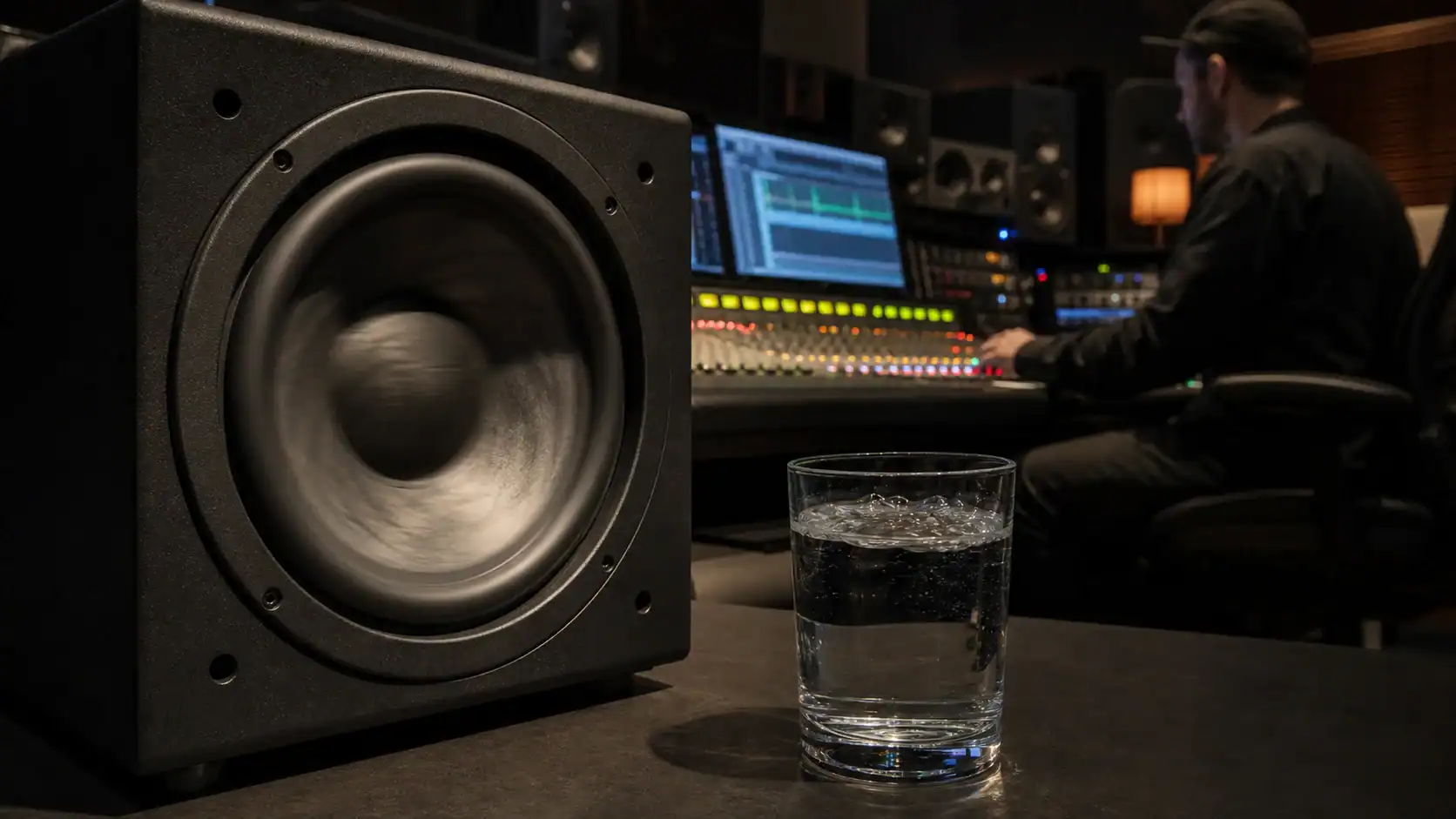
Linear phase EQ at low cut
What is a “linear phase EQ”?
A phase linear oneEqualizer(Linear Phase EQ) is a special type of equalizer that aims to maintain the phase relationship between the different frequencies of a signal. A conventional equalizer canPhase shiftswhen it adjusts the frequency response of a signal. This means that the different frequency components of the signal experience different delays, which can lead to a change in the temporal structure of the signal.
Why does a linear phase EQ make sense?
A linear phase equalizer attempts to minimize or even eliminate these phase shifts.
Linear-phase EQs prevent phase shift during filtering — when they are useful in mastering and when they are not is explained by theMastering Guide.
This can manifest itself in phase cancellations at the crossover point. The crossover point is the point in the frequency spectrum where the equalizer applies the low cut. These phase cancellations can last a few milliseconds or significantly longer and lead to audible frequency losses. Furthermore, this can happenstereo imagechange. The stereo image may widen or narrow. That's why it isIt is particularly important to use a linear phase EQ when working in mid-side mode.
The following images show the phase position of a low cut set at 100 Hz with the Fabfilter ProQ3 via Plugin Doctor. Both in minimal phase and in linear phase.
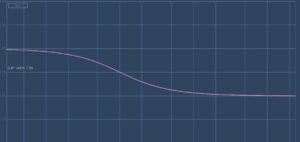 Minimum Phase EQ Lowcut 6 dB slope
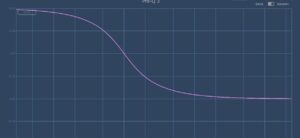 Minimum Phase EQ Lowcut 12 dB slope
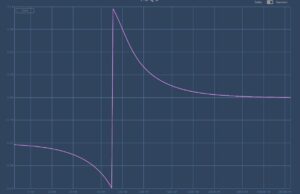 Minimum Phase EQ Lowcut 18 dB slope
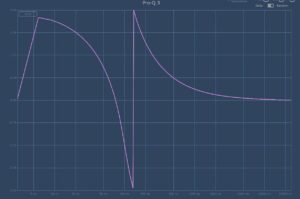 Minimum Phase EQ Lowcut 36 dB slope
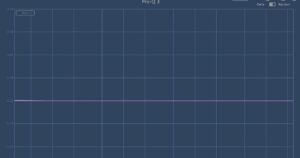 Linear Phase EQ Lowcut 36 dB slope
The advantages of linear phase filters can clearly be seen in the pictures. The signal arrives here both spatially and temporally as it was in its original state.