
Sound engineer – tasks, training & salary at a glance
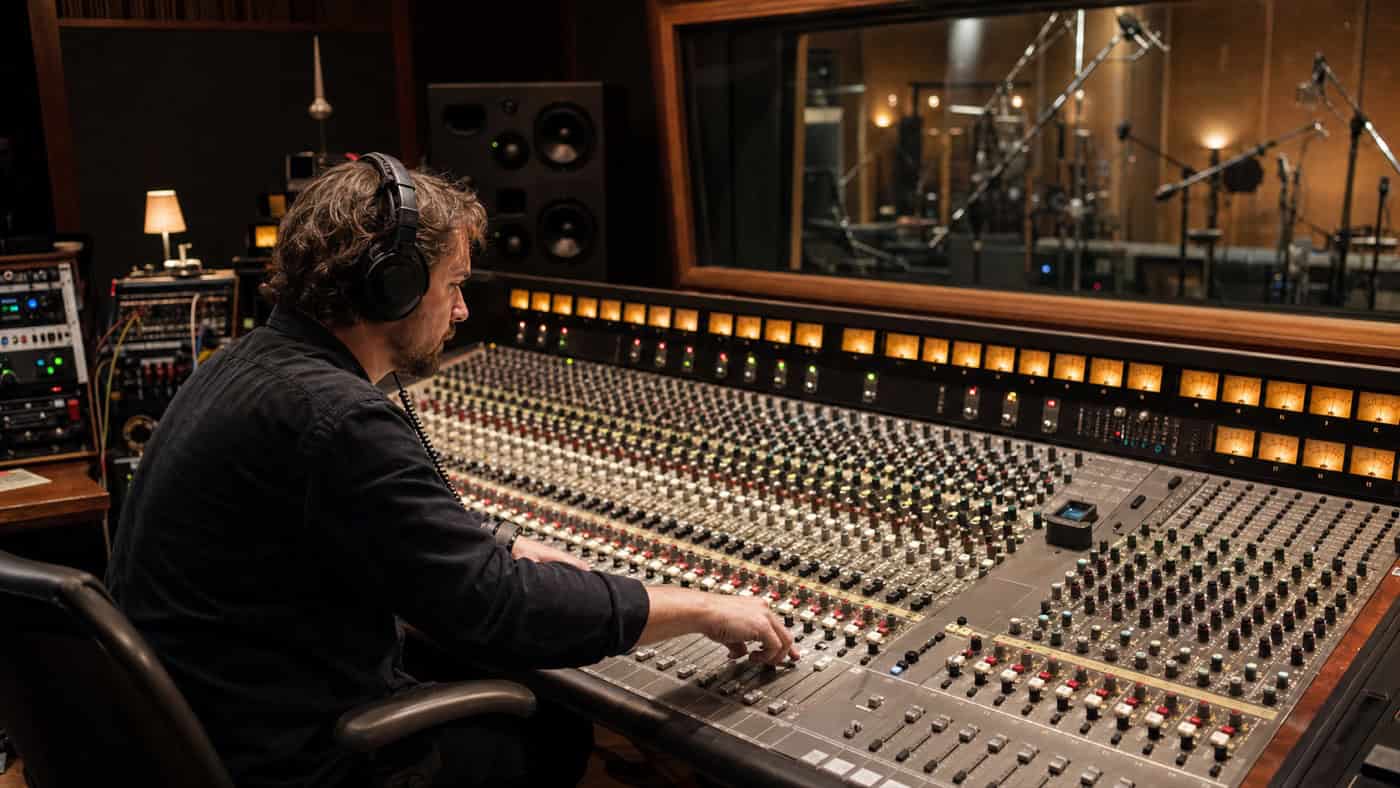
Those who professionally record, edit, and reproduce sound work as sound engineers – whether in recording studios, on film sets, in broadcasting, or on live stages. The profession combines technical skills with ear training: mixing consoles, microphone techniques, signal flow, and DAW operation are just as much a part of it as close collaboration with producers and artists.
What does an audio engineer do?
Sound engineers are specialists in recording, editing and reproducing sound across many fields - from music production and film/TV to live events and theatre productions.
Typical tasks:
Setting up & maintaining equipment: e.g. mixing consoles, microphones, loudspeakers.
Check sound quality: e.g. levels and Equalizer optimize during recording.
Sound-picture synchronization: especially essential for film and TV productions.
Teamwork: Collaboration with directors, sound engineers and artists.
Post processing: e.g. removing background noise or adjusting volume levels.
🎛️ Tip: In the Music Production Sound engineers often work closely with mixing- and Mastering engineers together – a sound knowledge of signal flow, Gain Staging and DAWs is essential.
Training as a sound engineer
There are several ways to become a sound engineer – from classical training to university studies and private media schools.
Overview of training paths:
| Type of training | Duration | Completion |
|---|---|---|
| Dual training (e.g. media designer image & sound) | about 3 years | IHK degree |
| Studies (Audio Engineering, Media Technology) | 3-4 years | Bachelor |
| School education at private schools | 1-2 years | Certificate / Diploma |
🧠 You can find further information about the training at berufenet.arbeitsagentur.de or
Specialized school education: 1 to 2 years (Career Center) (Career Center) (Meet Your Master).
Salary: How much does a sound engineer earn?
The Sound engineer salary depends heavily on the work environment, experience and one's own specialization.
Starting Salary: Approximately €2.000 to €2.800 gross per month
With experience: Up to €4.000 or more is possible.
Freelancer: very much dependent on projects and orders
💡 Tip: If you're interested in specific formats like live mixing, film mixing or audio post-production can improve earning opportunities.
Freelance or permanent employment?
Sound engineers work both freelance and in permanent positions, depending on the industry:
| Form of employment | Typical locations |
|---|---|
| Permanent | Broadcasting, theater, production companies |
| Self-employed | Music studio, tour productions, film set |
Many graduates start as freelance sound engineers with project assignments and build their own network. A professional portfolio and technical equipment are important for this.
🔗 You want to specialize in mixing and mastering? Here you can learn mixing and mastering.
Conclusion: Is the profession worth it?
The profession of sound engineer is technically demanding, creative, and versatile. Whether in the studio or at live events, those with a good ear, technical understanding, and the ability to work in a team have excellent prospects for an exciting career in the audio world.
FAQ about the profession of sound engineer
What is an audio engineer?
A sound engineer is a specialist in recording, editing and reproducing sound in music, film, radio or live events.
What kind of training is needed to become a sound engineer?
There is no legally prescribed training path to become a sound engineer. Common routes include private sound engineering schools, dual vocational training in the event industry, audio engineering studies, or a career change through practical experience, internships and assistant jobs. Expertise, ear training and practical experience are crucial.
How long does the training to become a sound engineer take?
Depending on the route, training takes between 1 and 3 years. Private courses are often shorter, while university studies usually last 6 to 7 semesters. Many successful sound engineers also learn independently and directly on the job.
How much does a sound engineer earn?
Income depends heavily on the field of work. Employees usually earn EUR 2,200-3,500 gross; experienced or freelance sound engineers can earn significantly more. Specializations such as mastering, broadcasting or live tours increase income.
How much does a sound engineer earn net?
After deductions, an average employee salary usually leaves around EUR 1,500-2,300 net. Self-employed sound engineers have highly variable net income, depending on workload, hourly rate and operating costs.
Where do sound engineers work?
Sound engineers work in recording studios, on film and television productions, in radio, at concerts and festivals, in theatres, on podcasts, streaming productions, and in the games and media industry.
How much does a sound engineer earn after 10 years of professional experience?
With 10 years of experience, around EUR three-and-a-half to five thousand gross is realistic, and more is possible with specialization or self-employment. Market positioning matters more than time alone.
Can you work independently as a sound engineer?
Yes – many work freelance, especially in the music and media industries.
What qualifications are needed to become a sound engineer?
A formal degree is not strictly required. In practice, portfolio, references and skills count far more than certificates. A degree or certificate can make entry easier, but it does not replace practical experience.
How much does a sound engineering course cost?
The costs vary greatly:
Short online or in-person courses: approx. EUR 500-3,000
Private sound engineering schools: EUR 8,000-20,000
Studying at state universities: usually only semester fees.
Expensive courses do not guarantee a job; practical experience is crucial.
Are sound engineers in demand?
Yes, qualified sound engineers with practical knowledge are in demand. All-rounders with technical understanding, reliability, and communication skills are particularly sought after. However, the market is performance-oriented and highly competitive.
Where do sound engineers work?
Sound engineers work in various roles, including:
in recording studios
in film, TV and radio
at concerts and festivals
in theaters
in streaming and podcast productions
in the gaming and media sector
How much does a sound engineer cost per hour?
The hourly rate of a sound engineer usually ranges between 40 and 120 euros. It depends on experience, area of expertise, technical equipment, and the type of project.
What does the future of audio technology look like?
The future of audio engineering is heavily influenced by digitalization and AI. Automation, remote productions, and new media formats are changing the profession, while high-quality audio remains in high demand.
How much does a sound engineer earn in Switzerland?
Sound engineers in Switzerland earn significantly more than in Germany. Gross salaries often range between 5.000 and 7.000 Swiss francs per month, despite higher living costs.