Will recording studios die out in 2025? – Background, challenges and opportunities
Have you ever asked yourself whether traditional recording studios will still have a right to exist in the future? In times when it seems like everyone can produce at home, that's a legitimate question. I've been thinking about it all year long and think that the end of the year is a good time to look at the topic in detail. In this article, you'll find out what it used to be like, what problems recording studios are currently facing and why they don't necessarily have to die out.
Looking back: How it used to be
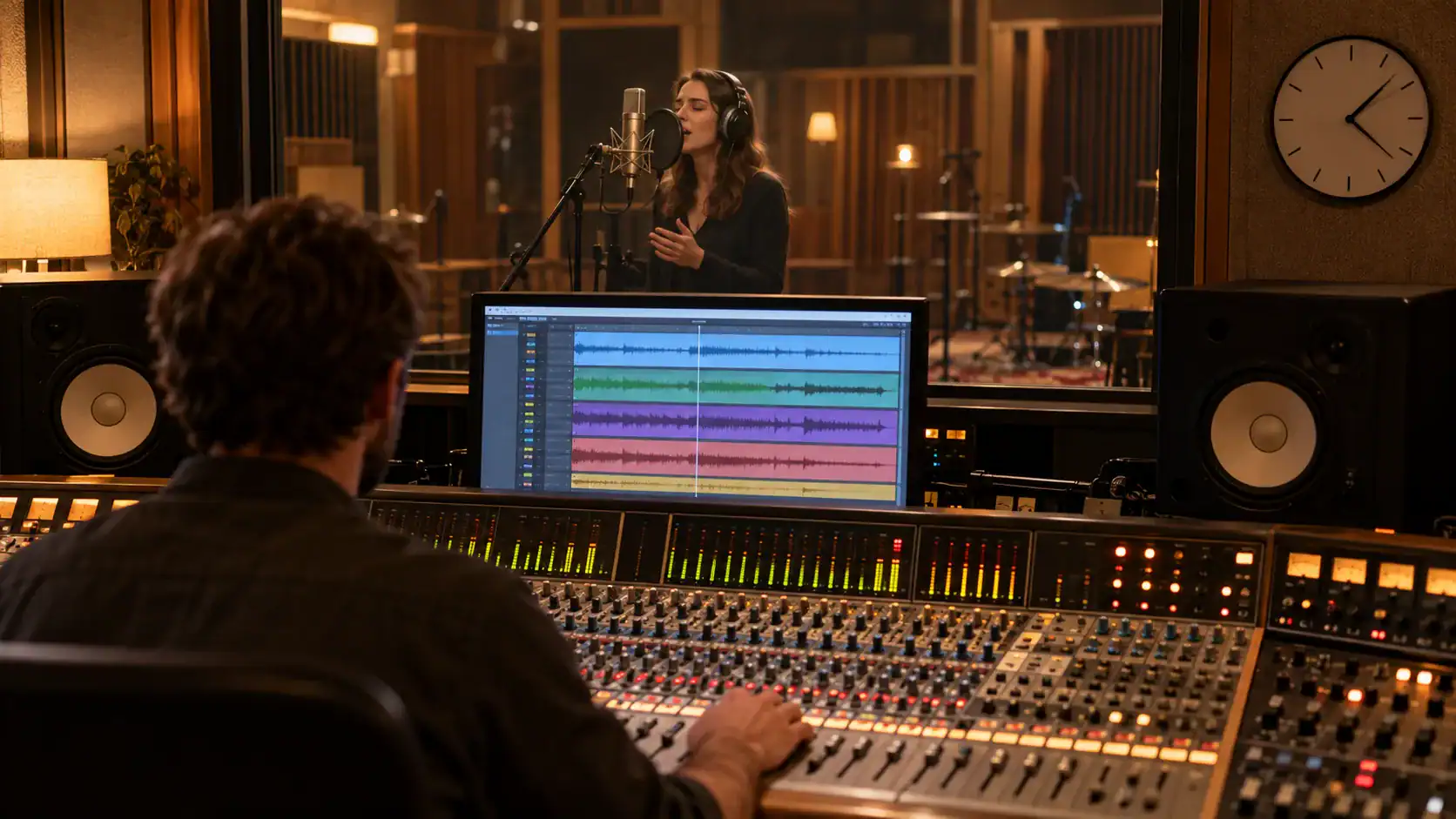
Around 15 to 20 years ago, the situation was completely different. If you were a band or artist first-class recordings If you wanted to do something, you had to go to a professional recording studio. Home recording was still in its infancy.
High costs and enormous time pressure
Back then, it was often a real effort to scrape together enough money for a studio. 3.000 to 3.500 marks for an album - that was no small sum. At the same time, there were usually only a few days available to record all the instruments and vocal tracks. The answer was often: "Record guitars or vocals for an entire album in one afternoon!"A place full of respect and exclusivity
Professionals have years of experience with complicated recording technology, knew exactly which microphone was suitable for which situation and created a studio atmosphere that gave the whole thing an almost magical touch. Large studios also had really long waiting lists, which on the one hand meant that you had to wait forever for an appointment, but on the other hand also ensured full order books for the operators.
In short: recording studios were THE place for professional productions. Entry into the music business almost always went through them.

Current problems for recording studios
1. High operating costs
Recording studios consume a lot of money. The rent can easily be 2.500 euros per month (even more depending on the location and size). In addition, there are repairs and maintenance costs for expensive equipmentA broken device or a pair of worn-out headphones can quickly reduce your monthly profit.
2. Democratization of music production
- Affordable hardware
Nowadays you can get decent microphones, preamps and even drum mic sets for much less. Even cheaper replicas of expensive vintage devices can be quite impressive. - Acoustic Optimization
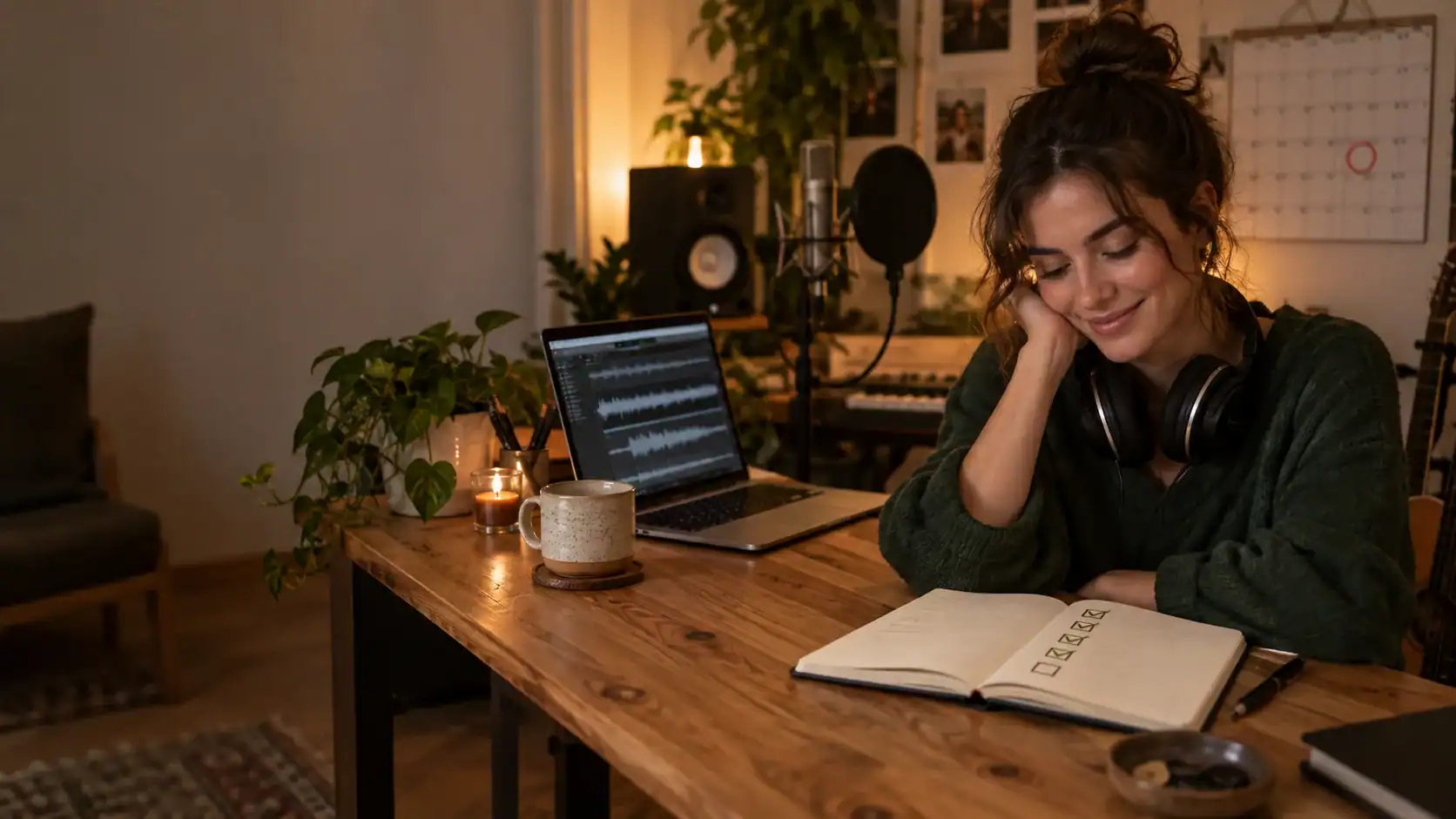
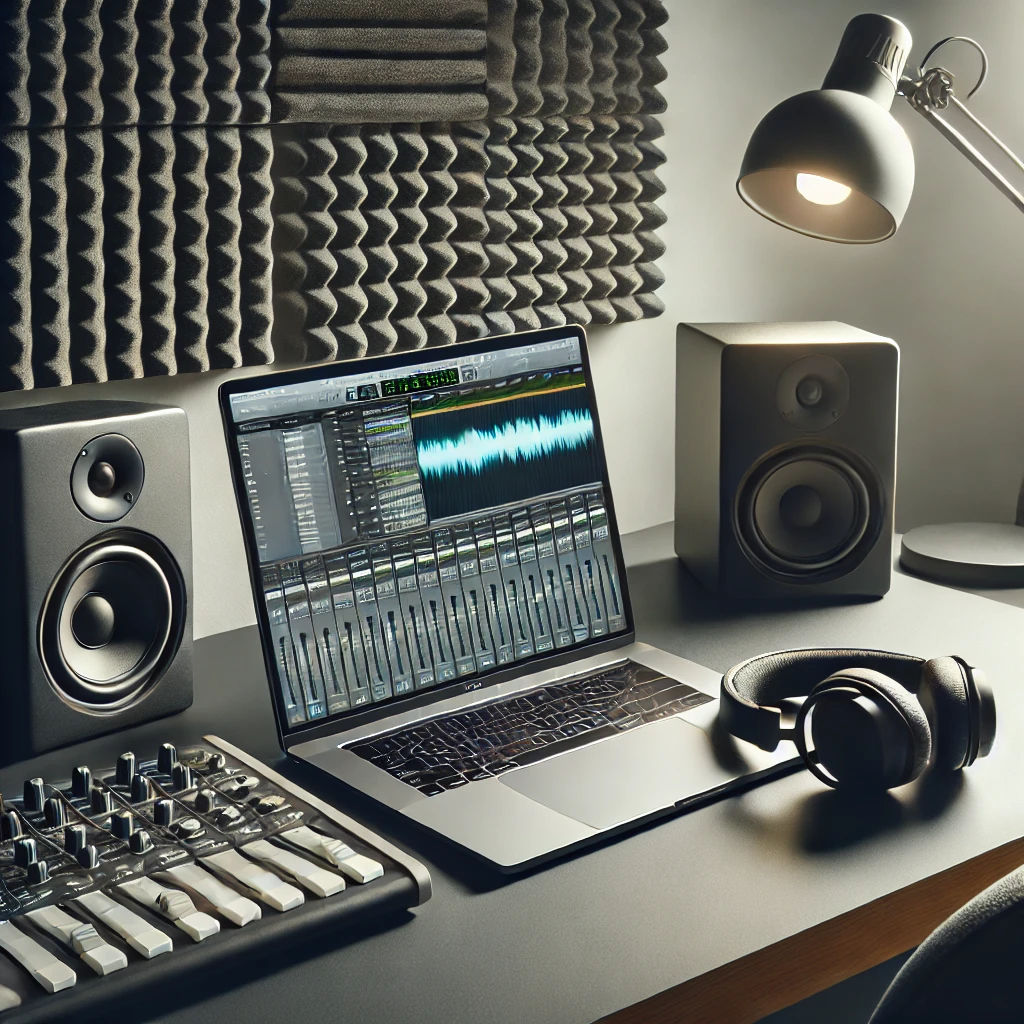
Thanks to Basotect absorbers and DIY solutions, it is no longer so difficult to insulate a small room acceptably. - software revolution
DAWs like Logic, Cubase, Studio One & Co. have become much cheaper and more powerful. Effect plug-ins take over tasks that previously required extremely expensive hardware. - Virtual Instruments
Superior Drummer, Addictive Drums, virtual guitar amplifiers… You can now achieve pretty professional results in the comfort of your own home.
3. Cloud-based production
The ability to collaborate worldwide in real time has changed many things:
- remote collaboration
Platforms like Airgigs make it possible to hire musicians for individual parts without ever being in the same room. - real-time collaboration
Tools like Audio Movers let you participate in the mixing process “live”, no matter where you are. - loss of physical presence
You no longer have to travel to the same studio to record music together. This saves time, money and long distances.
Future prospects: How can recording studios assert themselves?
Now you might be wondering: “Okay, that all sounds like a bleak outlook – so are all the studios going to disappear?”
Not necessarily! Here are a few ideas and trends for how recording studios can adapt:
1. Additional sources of income
Many studio operatorsinside work parallel as live sound engineersat trade fairs or events, rent out their premises when they are not booked, or offer workshops. This way, part of the high fixed costs can be covered.
2. Specialization and unique selling point
- vocal booth
A studio that focuses only on vocal and voice recordings needs less space, but can score points with a top-optimized vocal booth. - Certain music genres
For example, if you like rock music, you could set up a drum room with vintage equipment. This way you will become the first port of call for rock and metal bands. - Exclusive ambience
Many musicians are happy to pay for an experience: vintage furniture, retro equipment, special microphones and amplifiers – that's something that stays in your memory.
3. Extended Services: Distribution & Marketing
If you run a studio that also helps upload finished songs to streaming platforms, press CDs or run social media campaigns for artistsYou provide a full service. For many musicians, this isattractive inside because they do not have to take care of everything themselves.
What can recording studios actually do?
expand online offerings
remote mixing and mastering is no longer a marginal issue. Through online collaboration, studios can expand their customer base worldwide.Investing in good technology
High-quality plug-ins and selected hardware give your studio a sound that cannot easily be recreated “at home”.search for collaborations
Connect with labels, artistsinside, other studios and event organizersinside. This way you can be recommended and take part in larger projects.Promoting the real studio experience
Despite all the online technology, jamming together in the studio, exchanging ideas and working on the sound together is a huge motivational and creative boost for many musicians. Don't let that die!
Conclusion: Will recording studios really die out in 2025?
I think it's unlikely that the industry will die out completely. Of course, some studios will have a hard time if they aren't prepared to adapt. But those that find their niche, offer special services and rely on modern technology will not only survive, but perhaps even thrive.
- The democratization of music production has changed many things,
- The studio experience is still unique for many,
- A healthy mix of online services and a personal atmosphere can open up new paths.
Personally, I think it's great that everyone has access to music production these days. Nevertheless, I hope that the "live studio feeling" doesn't disappear completely - there's just something special about rocking out together in a room, refining things and implementing great ideas.
YOUR CONTACT TO PEAK-STUDIOS
Your contact for questions about your production!
- Personal point of contact
- Over 20 years of experience
- Highest quality standards
You can reach us by phone from Monday to Friday from 9 a.m. to 8 p.m.