
Mixing Engineer: Tasks, Skills and Differentiation in the Studio
Definition & Basics
The mixing engineer (also known as a sound mixer or simply "mixer") is responsible for the mix in the production process. First, they... Sound Engineer The individual tracks recorded by the recording engineer – vocals, drums, bass, guitars, synthesizers – are then combined into a coherent whole. While the recording provides the raw materials, the mix shapes the actual sound of the song.
Unlike in masteringWhen processing the finished stereo mix, he works at the level of each individual track. This is precisely how depth, assertiveness, and character are created in a production.
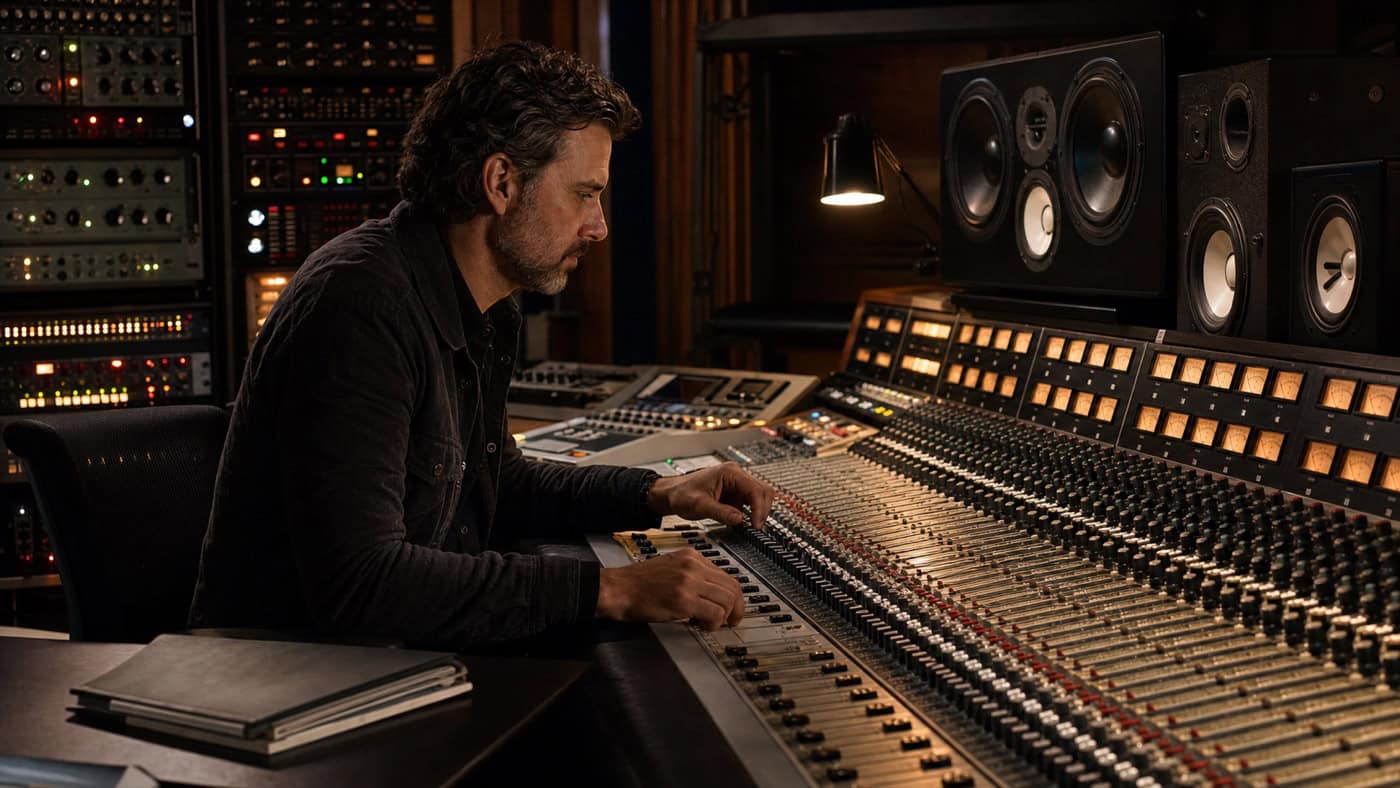
Tasks in the studio
The daily tasks of a mixing engineer combine technology with aural skills. Furthermore, they are closely intertwined:
- Level balance: Each track gets its place in the volume hierarchy so that nothing gets lost and nothing dominates.
- Landscape: Instruments are transmitted via the Panorama distributed in the stereo image, creating width and order.
- Sound processing: The Equalizer Frequencies are shaped during the Compressor the dynamics are controlled.
- Effects & Space: reverb Delay also creates depth and atmosphere.
- Troubleshooting: Resonances, interference noises, or phase problems are audibly reduced.
Finally, the result is a mixdown – a balanced stereo file that then goes on to mastering.
Creative core of the production
Mixing is far more than just adjusting technical levels. Rather, the mixing engineer makes creative decisions: Which elements should be emphasized? How much space should the vocals have? What emotion should the chorus evoke? A good mix translates the artistic vision in such a way that it works on any system – from studio monitors to smartphone speakers. That's why this blend of craftsmanship and musical intuition is what makes the profession so special.
Education & Path to a Career
There is no legally protected apprenticeship for "Mixing Engineer". Instead, the path usually leads through a... Sound engineering trainingA degree in audio and music production or years of studio experience are often sufficient. Crucially, a trained ear, proficiency with DAWs and plugins, and thousands of hours of mixing experience are also essential. Furthermore, many now work remotely, mixing projects for artists worldwide.
Differentiation from other roles
The roles are often blurred in everyday life. Therefore, here is a clear distinction:
- Recording engineer: First, he records the traces.
- Mixing engineer: The individual tracks are then mixed to create a stereo mix.
- Mastering Engineer: the mastering specialist then refines and optimizes the finished stereo mix dynamicsLoudness and sound quality for all playback media.
- Manufacturer: However, they are responsible for the overall artistic vision (song selection, arrangement, sound) – not necessarily the technical implementation.
In small studios, one person often handles all the steps; in larger productions, however, they are distributed among specialists.
Conclusion
The mixing engineer is the key figure between recording and mastering. Ultimately, they decide on the balance, spatial characteristics, and overall sound – and therefore whether a song sounds professional. Anyone aiming to elevate their music to release-ready quality will benefit from an experienced professional or a studio that handles this step.
Do you want to have your song mixed?
Peak-Studios handles the mixing for you – remotely, transparently and at release level. Get your song professionally mixed. and get the most out of your production.
FAQ – Frequently Asked Questions about Mixing Engineer
What exactly does a mix engineer do?
He combines the individually recorded tracks of a song into a balanced stereo mix – via levels, panorama, equalizer, compression and effects – thus determining the final sound.
Mixing or mastering – what's the difference?
The mixing engineer works at the individual track level and creates the stereo mix. The mastering engineer then processes the finished stereo mix and optimizes it for all playback media.
Mix engineer or producer – what's the difference?
The producer is responsible for the artistic vision (arrangement, song selection, sound). The technical and creative implementation in the mix, on the other hand, is handled by the mixing engineer – these two roles can be filled by the same person, but they don't have to be.
How does one become a mix engineer?
Through sound engineering training, a degree in audio or music production, or practical experience in a studio. More important than a song title are a trained ear, DAW proficiency, and extensive mixing experience.
Mix engineer or audio engineer – what's the difference?
"Audio Engineer" is the umbrella term for all sound engineering roles. The Mixing Engineer, on the other hand, is the specialization that focuses on mixing.
Do you even need a mix engineer?
For a professional result that works on all systems, an experienced professional is almost always worthwhile – especially because a good mix is what truly reveals the artistic effect.