Volume automation in film sound mixing
Whether a film is really exciting or emotionally conveys what the director had in mind depends not only on the images you see, but also very much on the music, the language, the effects and, above all, the volume automation of each individual film Elements. A good feeling for the correct and appropriate volume automation of the individual audio tracks is therefore of utmost importance.
What are volume automations in film sound mixing?
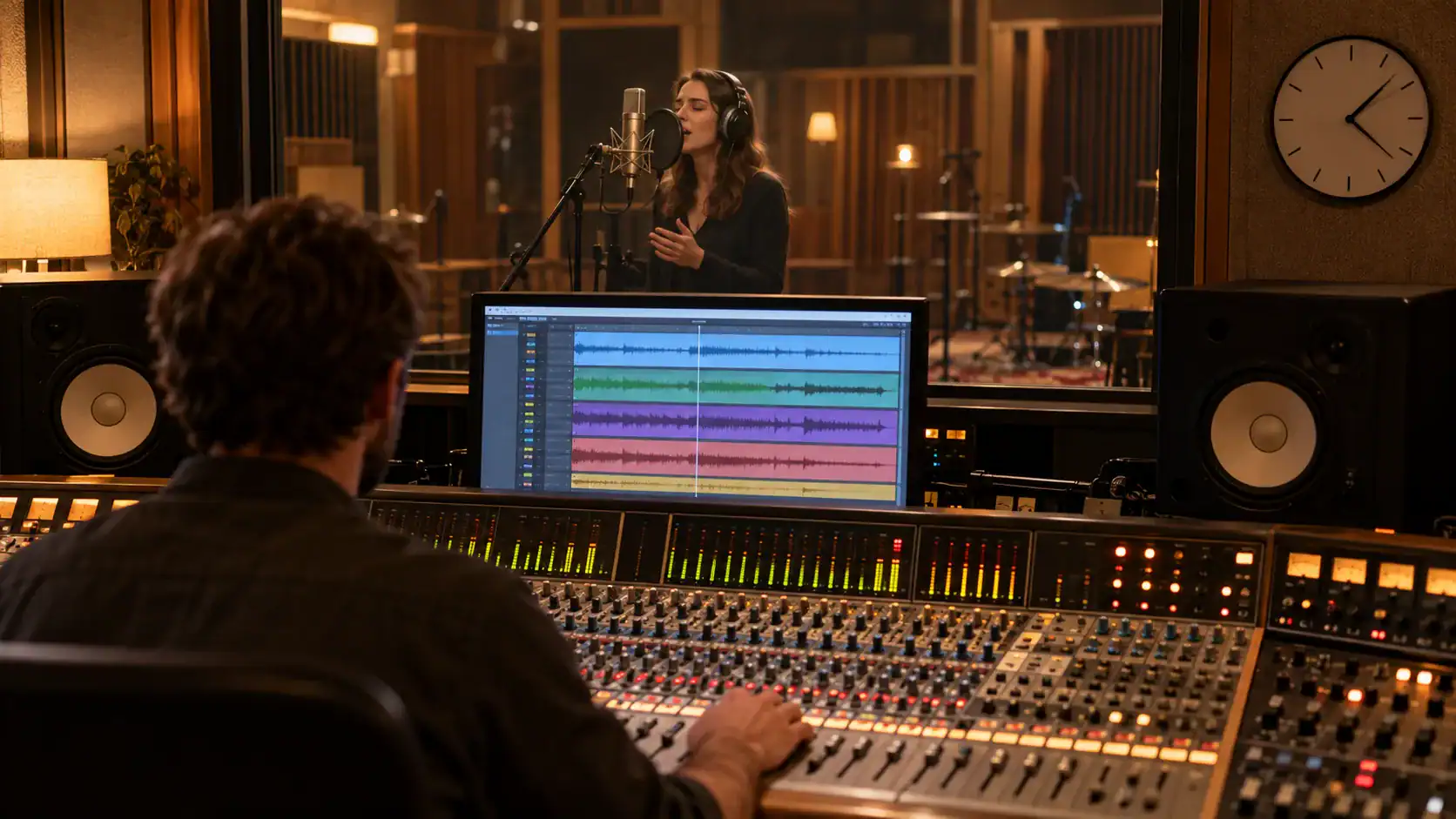
Volume automation in the Film sound mixing are crucial to creating a balanced and immersive soundscape. They allow you to dynamically adjust the volume of different audio elements within a scene to enhance mood, clarify dialogue, and direct audience attention. This process can be subtle to create subtle nuances or dramatic to highlight important elements of the plot. Professional sound mixers often use special software tools, such as Nuendo or Finale Cut Pro, to precisely control the volume curves and thus enhance the emotional content of the film scene.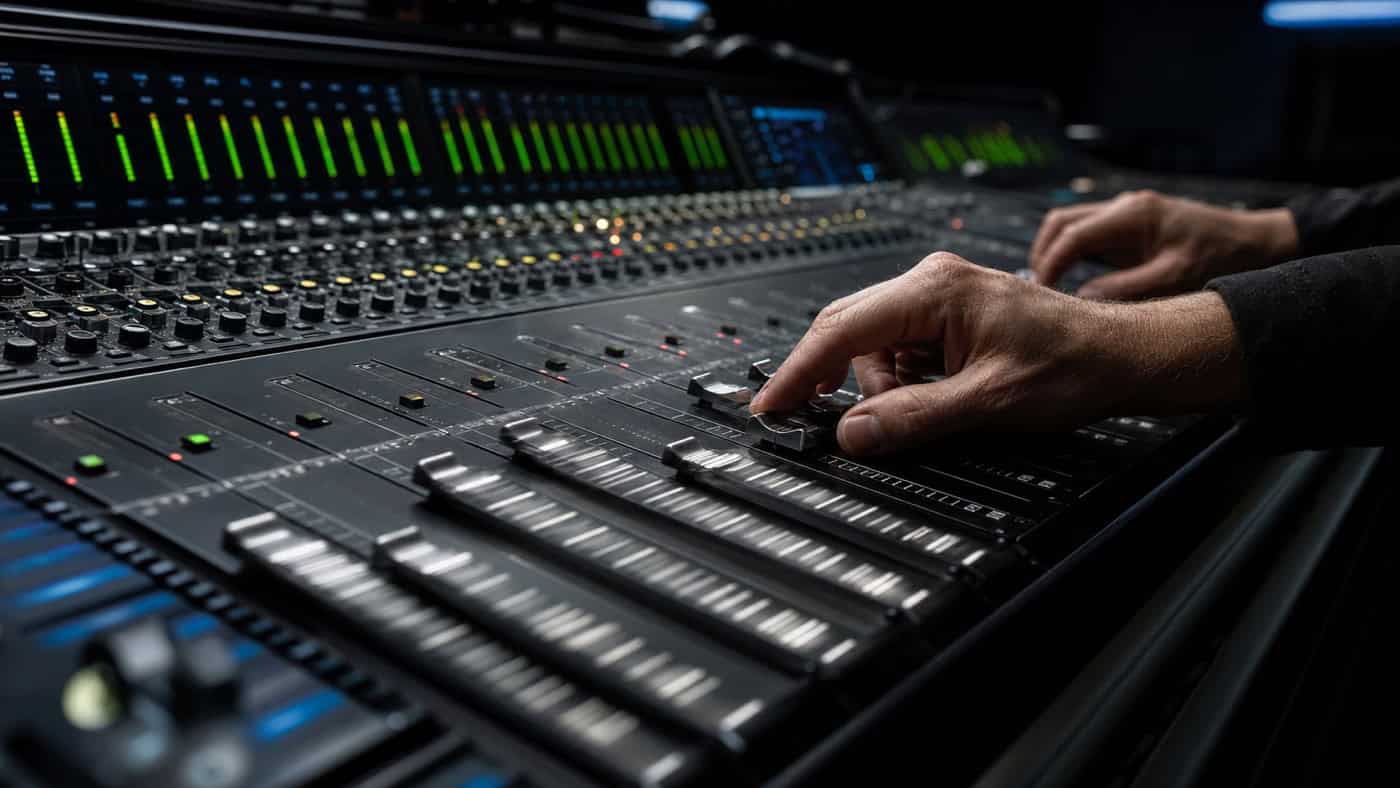
Where are volume automations used in film sound?
In film sound mixing, volume automation is used at various levels to shape the soundscape of a film:
Dialogues: Dialogue between characters is often the heart of a scene. Precise volume adjustments can emphasize dialogue to ensure it is clear and understandable, even when spoken over background noise or music.
sound effects: Sound effects such as explosions, car sounds, or nature sounds add to the atmosphere and immersion of a scene. Volume automation is used to increase or decrease the intensity of these effects as needed to enhance dramatic moments or highlight subtle details.
Music: The music in a film can have a strong emotional impact and can significantly influence the tone of a scene. Volume automation is used to match the dynamics of the music to the action, from quiet background tones to stirring crescendos at key moments.
Transitions: Volume automation is also used to create seamless transitions between different scenes or sound elements. Transitions between dialogue, sound effects and music can be made to flow smoothly using soft fades or abrupt cuts.
Do you want the best possible sound for your film, documentary or video?
What should you take into account when automating the volume of film sound?
There are several important aspects to consider when automating volume in film sound mixing:
consistency: Volume should be consistent to ensure a comfortable listening experience. Volume changes should not be too abrupt or disruptive, but should blend seamlessly into the scene.
BALANCE: Make sure the balance between dialogue, sound effects and music is harmonious. No element should dominate the other unless it serves a specific dramatic purpose.
Naturality is also at the forefront of our ginger shot: : Volume changes should appear natural and follow the logical development of the scene. Avoid excessive or unnatural amplification that could break the audience's immersion.
Storytelling: Use volume automation to support the action and enhance the emotional impact of a scene. Highlight important moments or create tension by cleverly manipulating the volume.
Technical aspects: Make sure that the volume automation is implemented technically correctly, without clipping or Clipping to cause. Use professional tools and check the result regularly on different playback devices.
Creative freedom: Use volume automation to implement creative ideas and shape the sound atmosphere of a film. Experiment with different effects and techniques to create a unique sound experience.
Target group and playback systems: Consider the film's target audience and the different playback systems the film could be played on. Make sure that the volume is appropriate for the target audience and that the film sounds good on various viewing devices (cinema, television, mobile devices, etc.).
Dynamic Range: Make sure that the Dynamic Range is appropriate for the soundtrack. Avoid excessive compression, which can lead to a lossy sound, and give the individual sound elements enough space to develop.
Reference material: Use reference material to ensure that the volume of your sound mix is comparable to other professional productions. This can help you get an objective measure of volume and ensure the mix is at a high level of quality.
By considering these aspects, you can ensure that volume automation in the film sound mix helps create a compelling and immersive audiovisual experience.
Why is dynamic range important in volume automation?
When mixing film sound, it is important to... Handle dynamic range correctly, as it can have a direct impact on volume automation:
Assertiveness: A wide dynamic range can help certain sound elements, such as dialogue or important sound effects, sound more assertive and present. This allows important information or emotions to be conveyed more clearly without being obscured by other elements.
Dramatic effect: A wide dynamic range can also help enhance the dramatic impact of certain scenes. By contrasting quiet passages in a scene with loud highlights, tension and emotion can be created more effectively.
Technical aspects: When using volume automation, it is important to control the dynamic range so that clipping or clipping does not occur. Too wide a dynamic range can cause loud passages to be clipped, while quiet passages are too quiet to be heard. Therefore, it is important to compress or limit the dynamic range to meet the needs of each production.
sound quality: Adequate dynamic range can also contribute to the sound quality of a film by creating a natural and dynamic soundscape. However, using too much compression to reduce the dynamic range can result in a lossy sound and reduce the effectiveness of volume automation.
Control dynamics in a targeted manner: Our tutorial shows you how volume automation, balance, and dynamic range interact throughout the entire mixing process. Mixing Guide in a structured process.
No matter whether audio editing or restoration, volume automation or Foley - we put your film in the spotlight with sound technology!
What impact does the target group and playback systems have on volume automation?
When it comes to target audiences and viewing systems for films, there are a variety of factors to consider, as films can be shown on different platforms and for different audiences. By the Sound Engineer Taking into account the different target groups and viewing systems, he can ensure that the sound mix of a film works on different platforms and for different audiences works optimally and provides a high quality listening experience. Some of the most important target groups and playback systems are listed below:
Cinema: Films are traditionally shown in cinemas, where they are shown on a large screen with a high quality sound system to get presented. This environment provides an immersive experience and appeals to a wide audience that appreciates a wide variety of film genres and types.
Home theater: In the age of home theater systems and high-definition televisions, movies can also be enjoyed at home. The target group for home cinema is often families, film lovers or people who prefer the comfort of their own four walls. The sound mix must be adapted to the different sound and speaker systems in the home cinema.
Streaming Services: With the emergence of streaming platforms such as Netflix, Amazon Prime and Disney+, films have found a new distribution platform. The target groups for streaming services are often young adults and families who want to conveniently stream films over the Internet. The sound mix must be tailored to a variety of devices and Internet connections.
mobile devices: Movies can also be viewed on mobile devices such as smartphones and tablets. The target group for mobile films is often people who are on the go or in situations where a conventional television is not available. The sound mix must be adapted to the limited audio capacity and the ambient noise in the mobile area.
International markets: Films are increasingly being produced for international markets and may be released in different countries and languages. Audiences in different countries and cultures have different preferences and expectations of films, which can also affect the sound mixing.