Common home recording mistakes and how to avoid them
Helpful tips for hobby musicians and home studios
Home recording is becoming increasingly popular, especially among amateur musicians who want to record their songs at home. But there are many stumbling blocks when getting started, which lead to poor results. In this article, I will show you the most common mistakes in home recording and how you can avoid them with a few simple tips. This way, you can recording quality in your Home studio improve significantly.
1. Room acoustics – The invisible enemy
One of the biggest mistakes many musicians make when home recording is ignoring the room acoustics. A bad sounding room has a negative effect on your music recordings at home .
What's going wrong?
Shiny surfaces such as windows, walls and floors cause reflections that make the sound "muddy". The result: your recordings sound dull and unclear.
Solution:
Improve the Room acoustics in your home studio through simple means such as curtains, carpets or DIY acoustic measures such as Basotect absorbers. Place your microphone in the middle of the room to avoid reflections from walls.
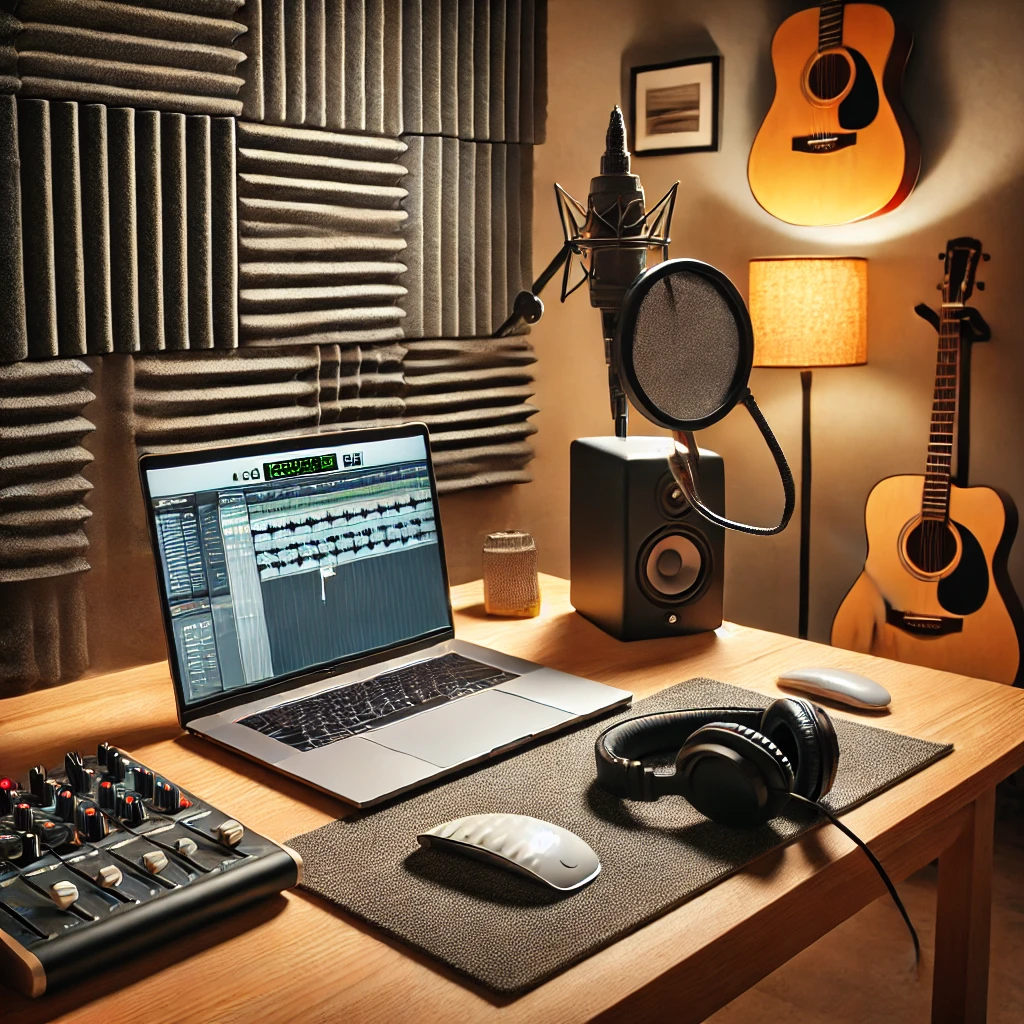
2. Incorrect microphone selection and positioning
The right thing Microphone and the appropriate positioning are crucial for good recording quality.
What's going wrong?
A common mistake is using an unsuitable microphone or positioning it incorrectly. Recording vocals at home often requires a condenser microphone, while dynamic microphones are better suited for loud instruments. If you stand too close to the microphone, the so-called proximity effect occurs, which makes the sound unnecessarily bass-heavy.
Solution:
Choose the right one microphone for home studio recordings and experiment with the positioning. A distance of about 15-20 cm from the microphone usually ensures a natural sound.
Do you want really good quality for your recording? Then record in one of our 3 studios!
3. Correct gain staging – avoid clipping
The gain staging is often neglected, but leads to big problems if the recording is overloaded.
What's going wrong?
Many beginners set the input level too high, which leads to Clipping and distortion. An overdriven recording is difficult to correct even after the fact.
Solution:
Keep the level between -18 dB and -12 dB to get enough headroom This will prevent your recording from being too loud and will give you some room to maneuver in the mix.
4. Noise and humming – the silent killer
Noise are another common mistake that home recording setups often occurs.
What's going wrong?
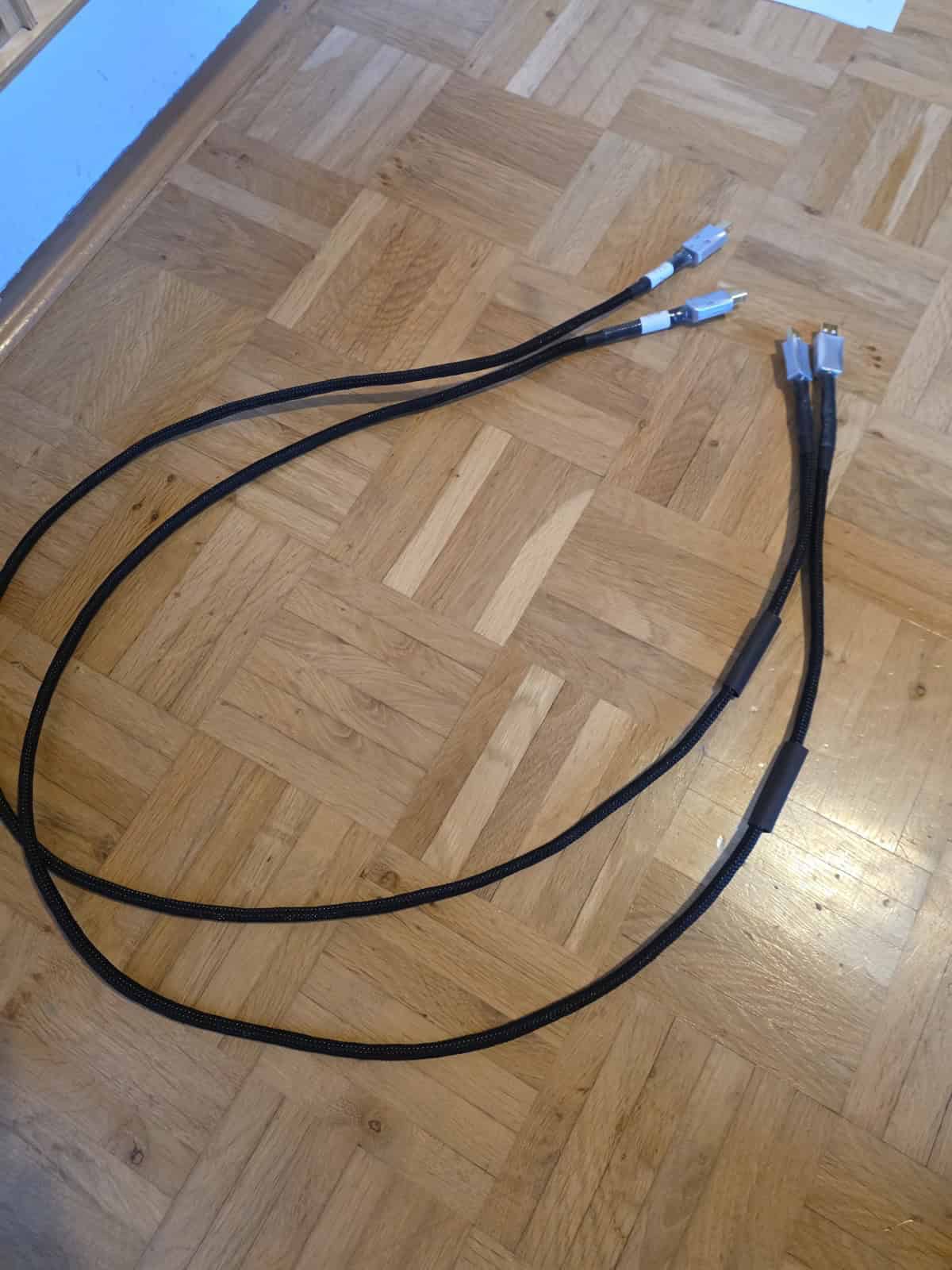
Annoying noises such as humming or buzzing can be caused by poorly grounded equipment or poor quality cables. These noises sneak into your recording and make the end result unusable.
Solution:
Check the grounding of your equipment, use high-quality cables and use pop filters to reduce breath and hissing sounds when recording vocals.
5. Overproduction and too many effects
One of the most common mistakes in Home studio is overloading the recordings with effects and editing.
What's going wrong?
Too much compression, Hall or EQ during recording quickly leads to unnatural results. Many effects should only be applied after mixing in order to be able to design the result flexibly.
Solution:
Keep your recording as natural as possible. You can always add effects like reverb and compression later in the mix.
Do you want the sound of the professionals? Then book your online mixing today and be there live if you wish!
6. Sampling rate and bit depth – The technical basics
Choosing the right one sampling rate and Bit Depth is a technical but important point to ensure a good audio quality at home .
What's going wrong?
Many musicians work with too low a sampling rate or bit depth, which limits flexibility in later mixing and can affect sound quality.
Solution:
Make sure you have at least 24 bit and a sampling rate of 44,1 kHz. This provides enough headroom for the mixing and mastering and ensures that your recordings remain in high quality. If you later want to save your tracks on Streaming Services If you want to upload your music, make sure that the loudness requirements are met. You can find more information on this in our blog: Itunes, YouTube, Spotify and Co. – This is what your song should be like!
7. Structure and organization – order must be maintained
A good home recording setup also requires a neat organization of your projects and tracks.
What's going wrong?
Unnamed tracks or disorganized folders quickly lead to chaos and make it difficult to keep track of everything - especially if you record a lot of takes.
Solution:
Label all tracks correctly and keep your DAW projects organized. Use folder structures, for example, to Drums, Gitarren and Vocals to keep them separate.
Conclusion: Your path to better home recordings
home recording is an art that requires a lot of patience – but with the right measures you can improve your recordings significantly. Pay attention to your room acoustics, choose the appropriate Microphone and avoid NoiseThis is how you lay the foundation for professional results.
Tip: If you are unsure how good your recordings really are, use our mix analysis or book a free initial consultation with us. This way you will receive direct feedback and can further improve your recordings!
YOUR CONTACT TO PEAK-STUDIOS
Your contact for questions about your production!
- Personal point of contact
- Over 20 years of experience
- Highest quality standards
You can reach us by phone from Monday to Friday from 9 a.m. to 8 p.m.