
Atmo in Film Sound Mixing: Atmosphere | Peak-Studios

Background noises like city sounds, birdsong, or the muffled murmur of a café—that's what's known as atmosphere in sound mixing. These atmospheric sounds lend depth and credibility to a scene by making the surroundings audible without pushing dialogue or sound effects into the background.

What is Atmo in sound mixing?

In film sound mixing, "Atmo" refers to ambience or background sound that communicates the environment and location of a scene. This can include street noise, birdsong, wind, room tone or background conversations.


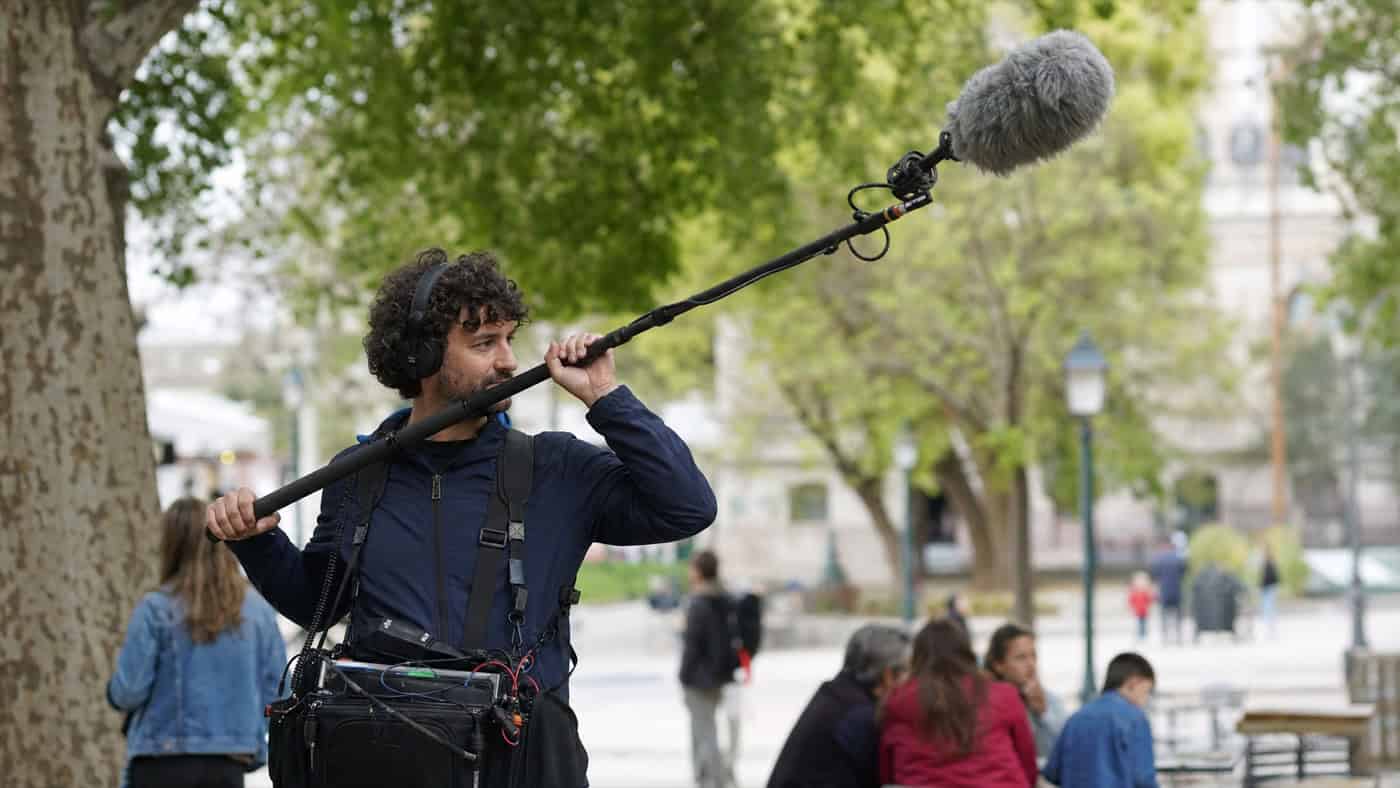
Atmospheric sound is essential for creating depth and realism. It is often recorded on set or recreated later in the studio. Atmo helps pull the audience deeper into the story by making the space feel alive. It can also be very subtle, for example the silence of an empty landscape or the low murmur of a crowded cafe. In post-production, these elements are carefully balanced to create a realistic and immersive soundscape.
How is Atmo mixed?

Atmo is usually mixed during film post-production. Sound engineers use dedicated software and hardware to combine and mix the different audio tracks.

They adjust level, direction, spatial impression and other parameters to create the desired atmosphere. Ambient sounds must support the dialogue and sound effects without overwhelming the scene. A convincing Atmo mix requires careful balancing and fine detail work so the audience experiences a realistic, immersive sound environment.

Volume Automation for Atmo

To create a natural and realistic soundscape, volume automation for ambience tracks is very important. Because the background sound changes with the scene and perspective, the level of the ambience must be adjusted so the viewer receives an authentic sound experience.

For example, when a scene moves from a wide shot of a busy city to a close-up of two characters, the city noise should be reduced so the dialogue stays in focus. Automation also allows sound engineers to create subtle shifts in atmosphere that support specific moods and emotions. Precise automation increases immersion and improves the quality of the film soundscape.

Is there a recommended level for Atmo?

There is no fixed universal level for ambience, because it depends on the scene, the intended effect and the sound engineer's creative style.


In general, Atmo should support the scene without masking dialogue or other important elements. A common approach is to keep ambience clearly audible, but never dominant. This lets the viewer sense the environment without being distracted. It is also important to balance Atmo, dialogue and sound effects so the final PGM has a coherent sound image. Ultimately, the right level depends on the scene and the creative decisions behind the mix.